The other aircraft
The KC-390 first flew at Gavião Peixoto on 3 February 2015. The flight lasted one hour and twenty-five minutes. Nearly eleven years after the E170 entered airline service, Embraer was testing a much larger aircraft built around a high wing, a rear loading ramp and military transport missions. Civil type certification followed in 2018, and the first Brazilian Air Force delivery came in 2019.
The transport’s published maximum payload is twenty-six tonnes. Vehicles, personnel and freight can enter through the rear ramp; mission equipment allows the airframe to undertake other work. The C-390 designation identifies the transport, while a tanker-equipped aircraft carries the KC-390 designation. Refuelling pods beneath the wings and the associated fuel system allow it to supply other aircraft in flight.150
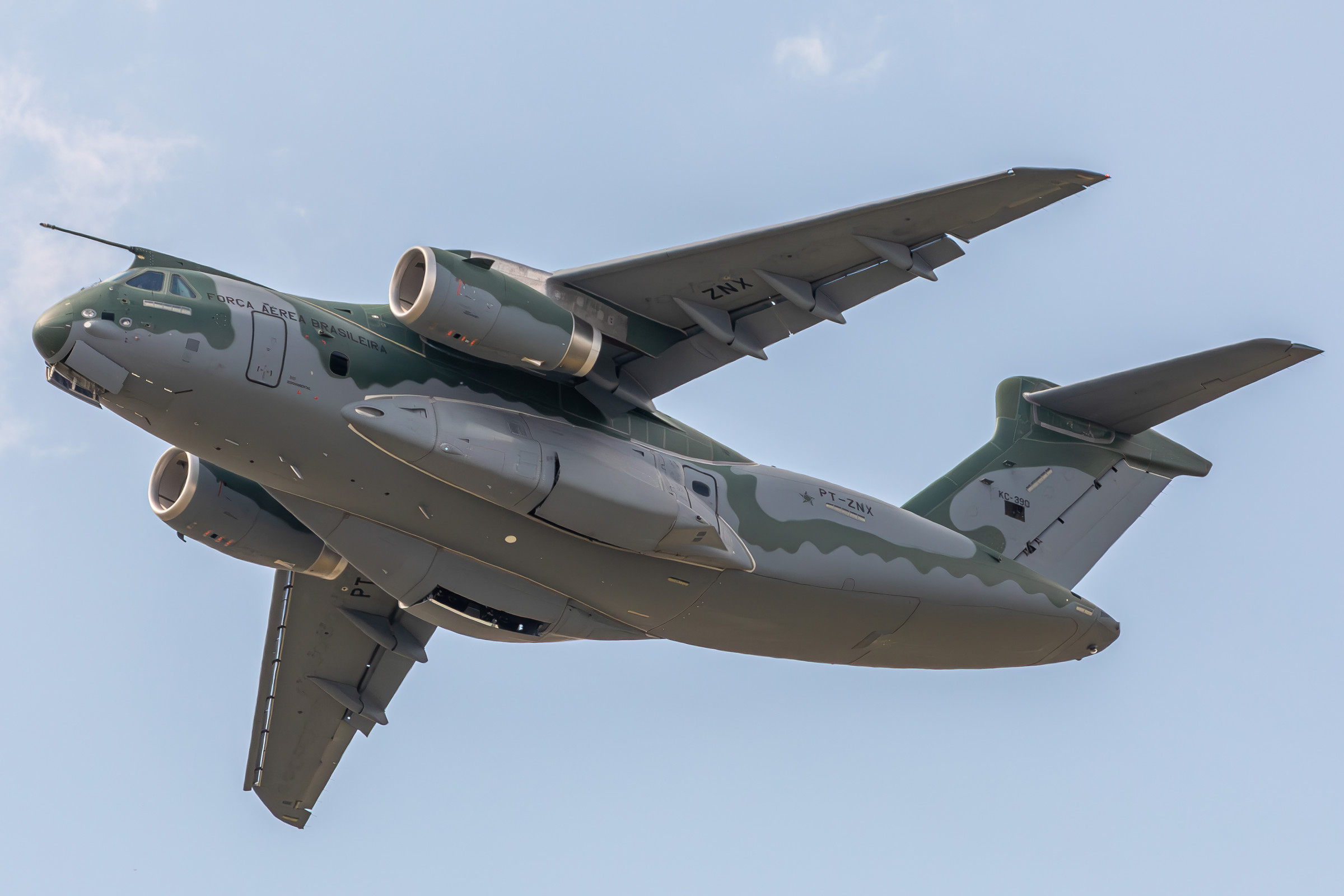
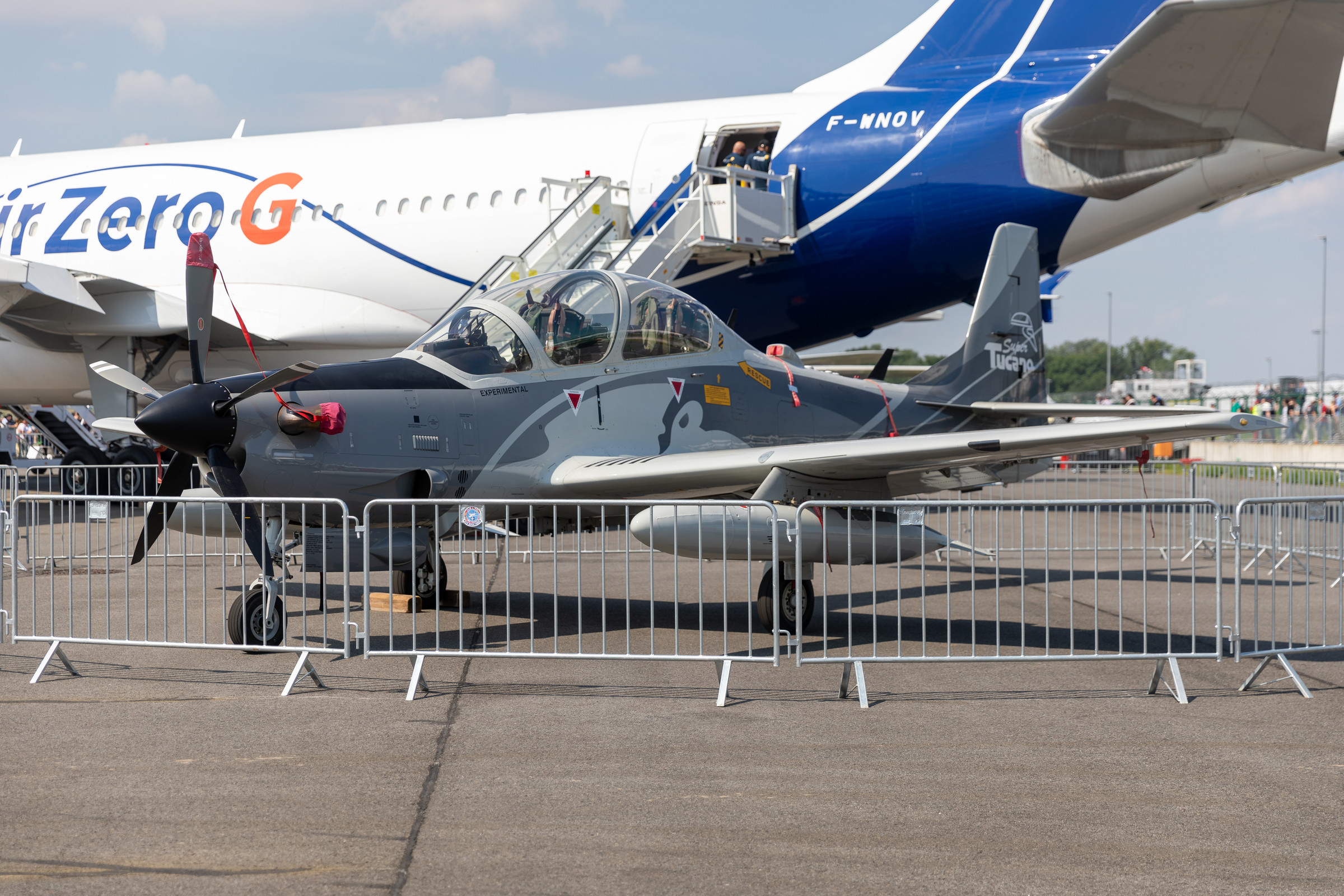
Portugal began operating the type in 2023. Its fourth aircraft arrived at Beja in January 2026 with an aerial-refuelling kit. The Portuguese Air Force described the additional tanks and underwing pods that would support tanker operations. A new delivery was therefore adding both another transport and equipment for an additional mission to the fleet.<sup class="citation"><a href="/sources/#source-151">151</a>, <a href="/sources/#source-150">150</a></sup> A smaller turboprop was still being delivered for a different kind of military work. The A-29 Super Tucano combines advanced training with armed reconnaissance, patrol and support for ground forces. It is a later type than the EMB 312 Tucano, with modern displays, communications and mission equipment. Uruguay received its first two A-29s in February 2026 under a contract that also included logistics support, mission equipment and a flight simulator. Aircraft, training and support were arriving as parts of the same fleet-renewal programme.152, 153
At Gavião Peixoto, another military programme brought a Swedish design into Brazilian production. Saab and Embraer presented the first locally produced Gripen E in March 2026. Brazilian and international suppliers contributed to the aircraft, including Saab’s aerostructure operation at São Bernardo do Campo. The production agreement connected manufacturing with engineering and test work inside Embraer.
That aircraft made its first production-acceptance flight on 6 October 2026. Embraer engineers planned and carried out the flight programme with Saab support, and further testing would precede customer handover. The fighter had an established design history; the milestone concerned the first aircraft completed through this Brazilian production arrangement.<sup class="citation"><a href="/sources/#source-155">155</a></sup> Business aviation had grown from a different use of Embraer’s transport-aircraft experience. The Legacy established a large-cabin executive line. In 2005, Embraer launched the smaller Phenom 100 and Phenom 300; the Legacy 450 and 500 followed as programmes in 2008. The Praetor 500 and 600, introduced in 2018, developed from that latter pair. Corporate flight departments, charter operators, fractional-ownership companies and private owners now bought aircraft across several cabin sizes.156
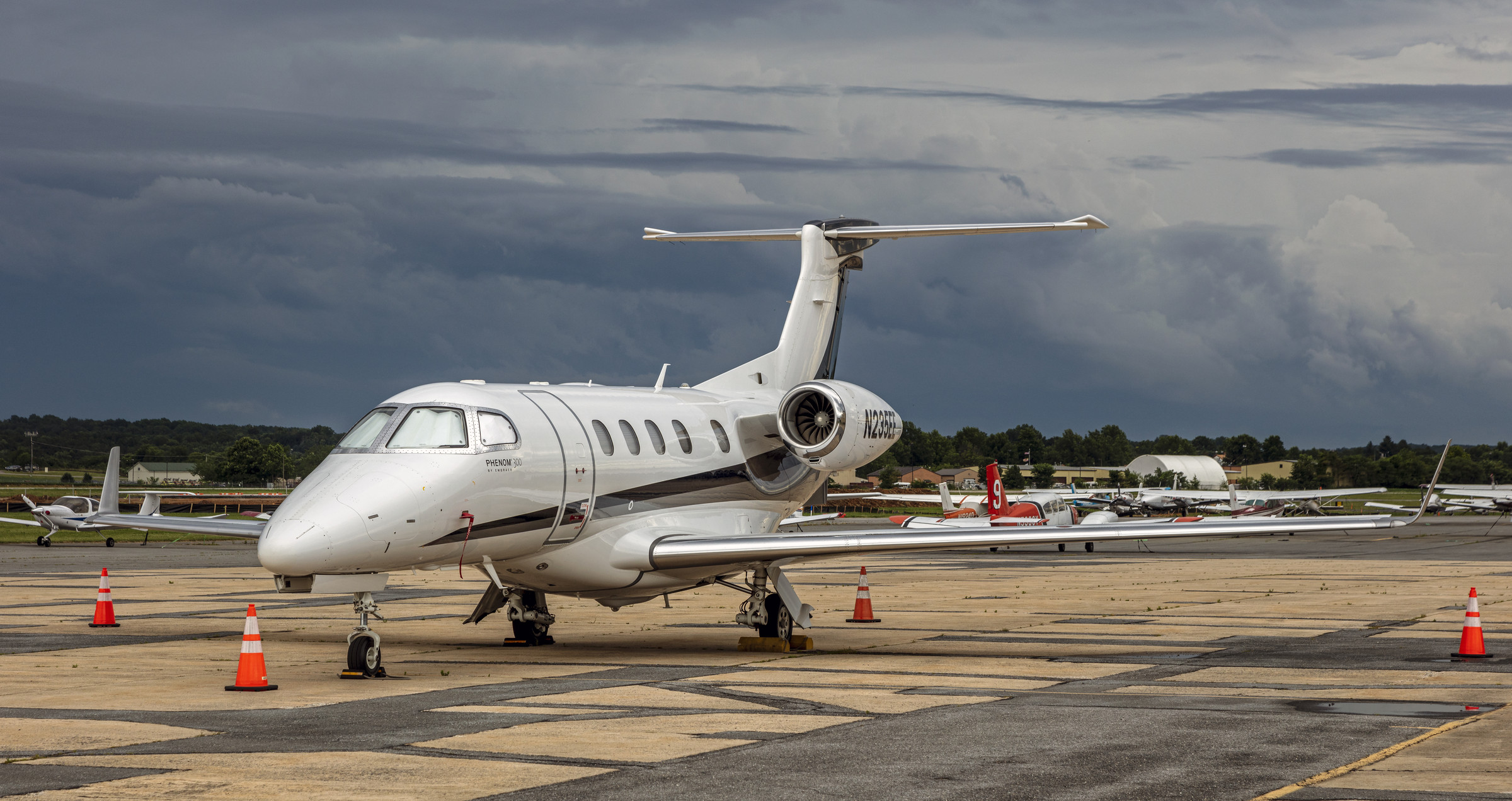
In Florida, the Melbourne site assembled Phenom aircraft and completed Praetor interiors, bringing production and customer deliveries close to the US business-aviation market.138
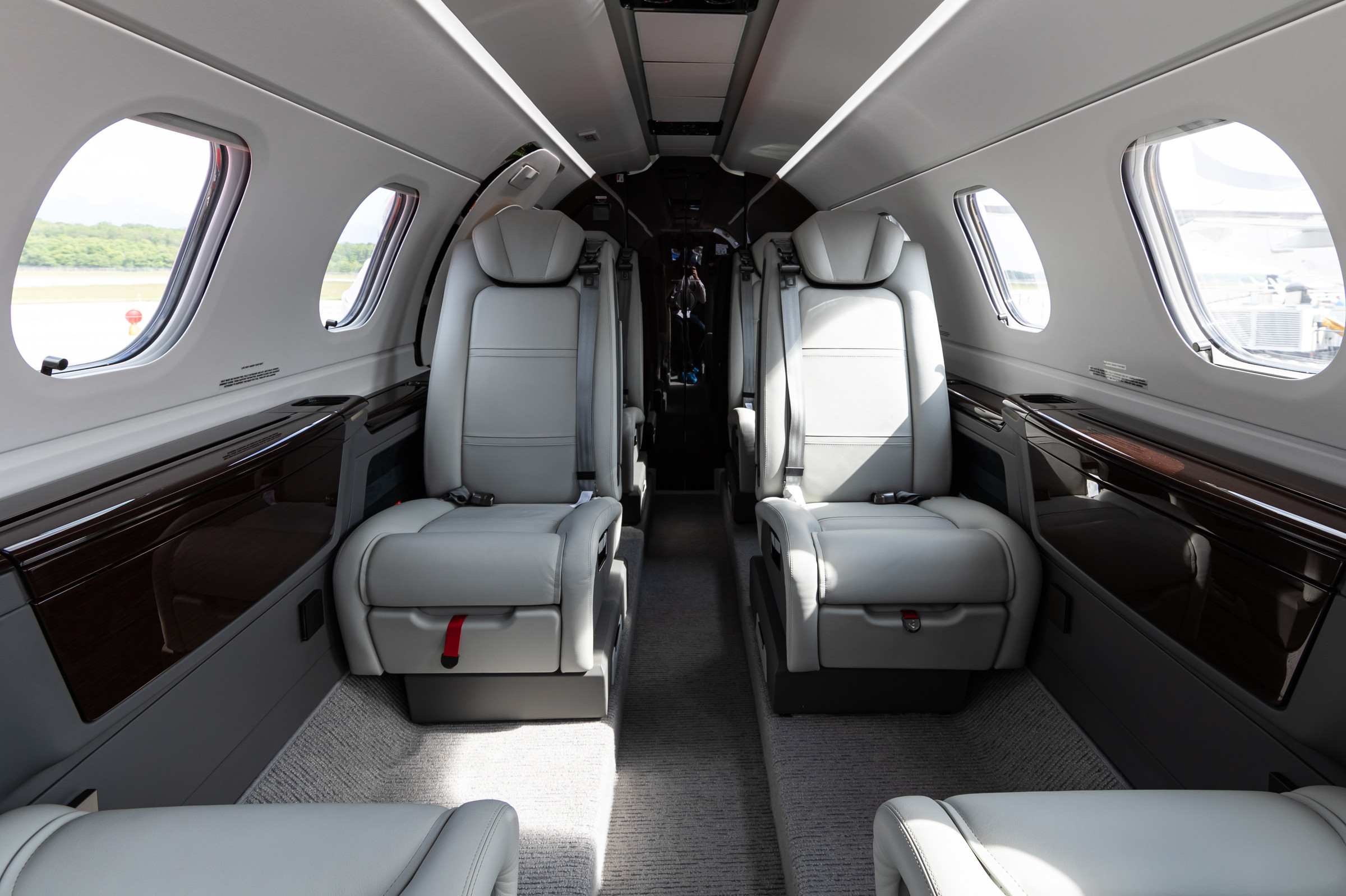
The Praetor range received new cabins in February 2026 with the introduction of the 500E and 600E. The changes included seating and cabin-management systems. The 600E received certification in April, and the first aircraft was delivered to Flexjet in September. Its published range of 4,018 nautical miles assumes four passengers and NBAA IFR reserves, a mission quite unlike a full E-Jet airline cabin.157, 158, 159
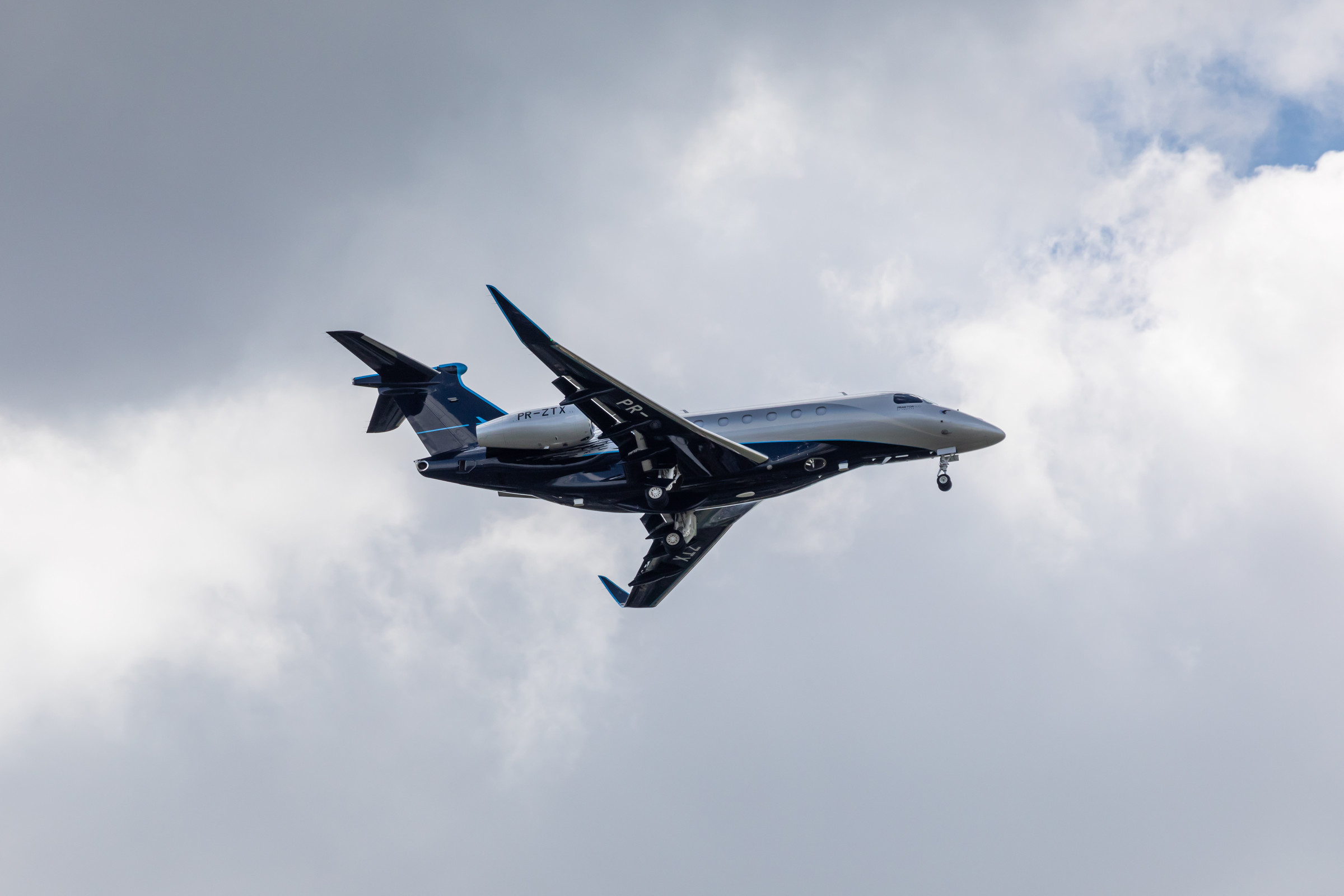
The Phenom 300EV was announced in July 2026. Embraer reported Brazilian, US and European certification in August, including Garmin Emergency Autoland. Customer deliveries were expected to begin in 2028. The automatic-landing capability was intended for an emergency in which the system could take the aircraft to a suitable runway, adding a new function to a line that had been evolving since the original Phenom launch.160, 161
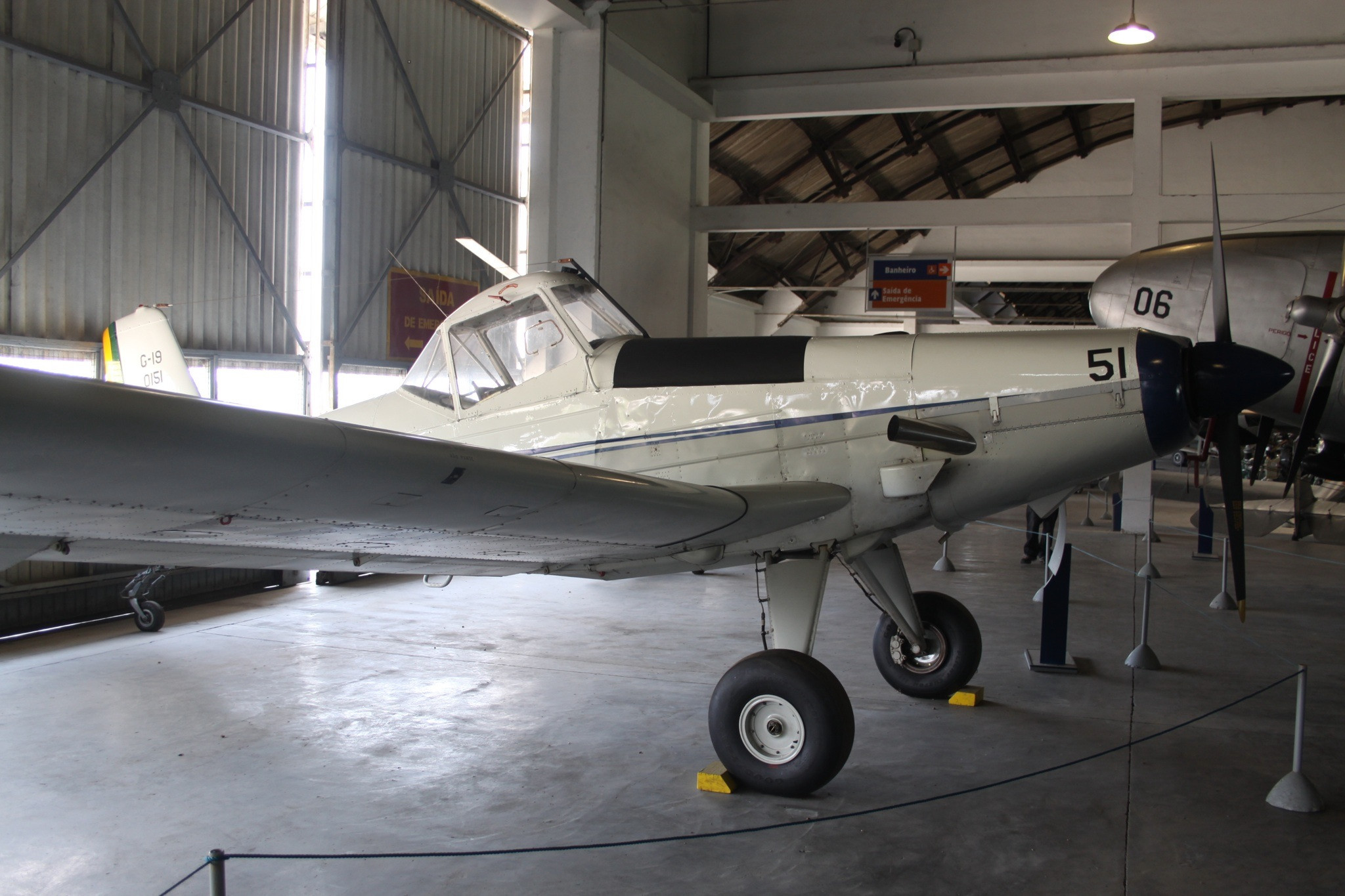
The Ipanema remained at the opposite end of the portfolio in speed, mission and working environment. In April 2026, Embraer displayed the ethanol-powered Ipanema 203 at Agrishow and highlighted its recent Paraguayan certification. More than half a century after the first aircraft went to work on Brazilian farms, the line still served pilots applying material over fields. Its development followed the requirements of agricultural operators, while the company’s other engineers worked on airline cabins, executive range and military cargo systems.162