The aircraft came first
When the Instituto Tecnológico de Aeronáutica opened at São José dos Campos in 1950, Embraer was still nineteen years away. Some of the students had begun their courses in Rio de Janeiro, in accommodation provided by the Army’s technical school. They graduated at the end of 1950 into an industry that Brazil was still assembling around them. The new campus, designed by Oscar Niemeyer, brought classrooms, laboratories and aeronautical research to the same site.
Casimiro Montenegro Filho had worked for years to establish that concentration of expertise. In 1945, the American engineer Richard Harbert Smith came to Brazil to help develop the plan for an aeronautical centre. Smith had been associated with MIT; his proposals joined the education of engineers to the experimental facilities they would need. Among the early teachers were the aerodynamicist Theodore Theodorsen and the mathematician Francis Dominic Murnaghan. Staff came from several countries, while Brazilian academics were recruited to work alongside them and eventually take over their responsibilities.2, 1

The research organisation expanded in 1954 with the Instituto de Pesquisa e Desenvolvimento. Ozires Silva graduated from ITA in 1962 and joined the work that would produce the Bandeirante. The project placed a small transport aircraft within reach of an institution that already had engineers, laboratories and access to a runway. Its first problem was practical: how to build an aircraft suited to the routes and airfields where a modest passenger load still needed dependable transport.<sup class="citation"><a href="/sources/#source-3">3</a></sup> The prototype flew on 22 October 1968. Four days later, it appeared before a large public gathering at São José dos Campos. Its two turboprops and eight passenger places made a small machine for an event with national ambitions. The team had brought it from project approval to flight in three years and four months. A second prototype followed in 1969, and a third, equipped for remote-sensing research, flew in June 1970. The aircraft was already developing several uses while its industrial future was being arranged.<sup class="citation"><a href="/sources/#source-4">4</a></sup> On 19 August 1969, Decree-Law 770 authorised Empresa Brasileira de Aeronáutica S.A. The new company would be based at São José dos Campos and linked to the Ministry of Aeronautics. The federal government was to hold at least 51 per cent of its voting capital. Its mandate extended from design and manufacture to components, maintenance and technical training. Government agencies were to give preference to its products, and the company could contract suitable work to private firms. The decree was published in the official gazette on 27 August.5
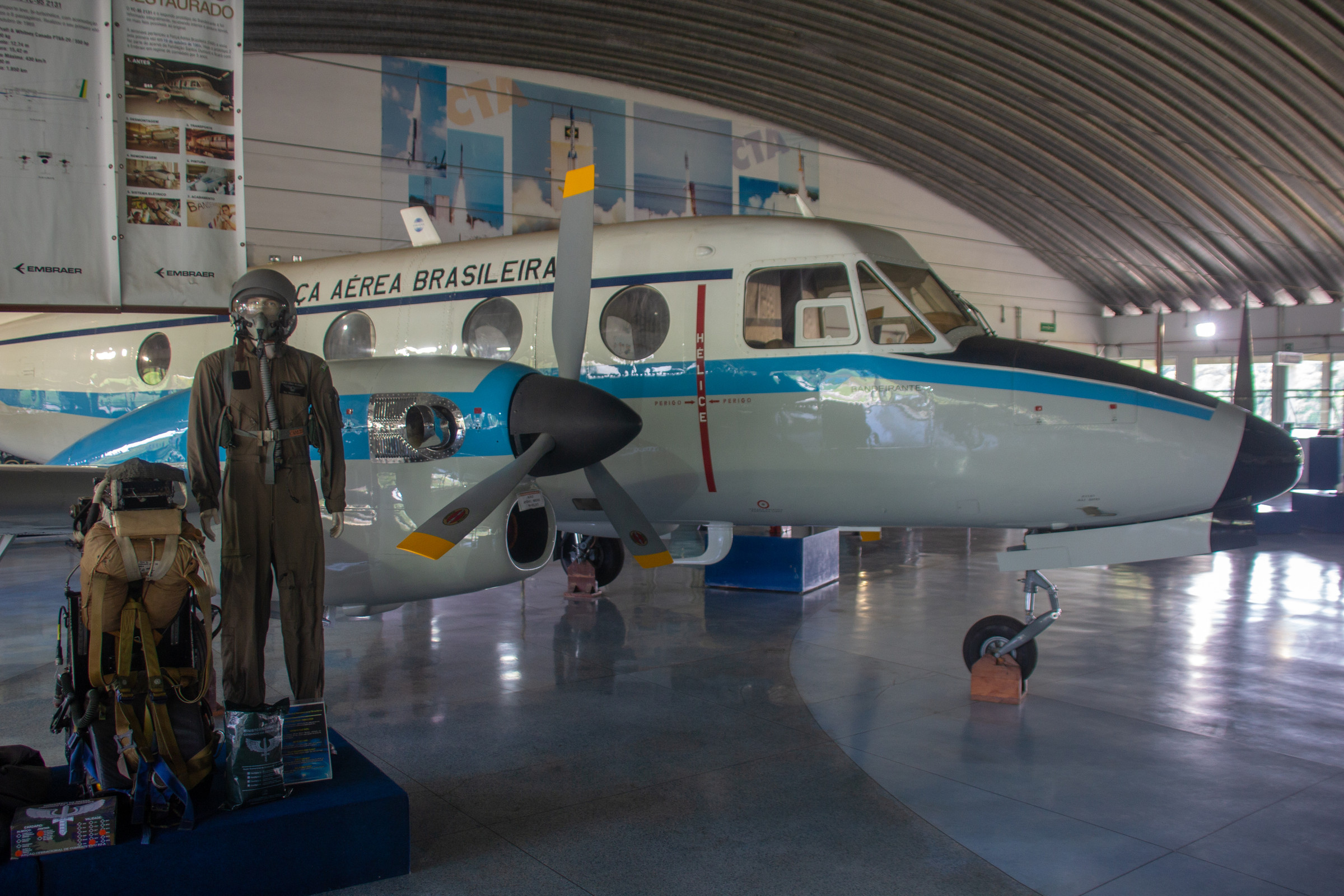
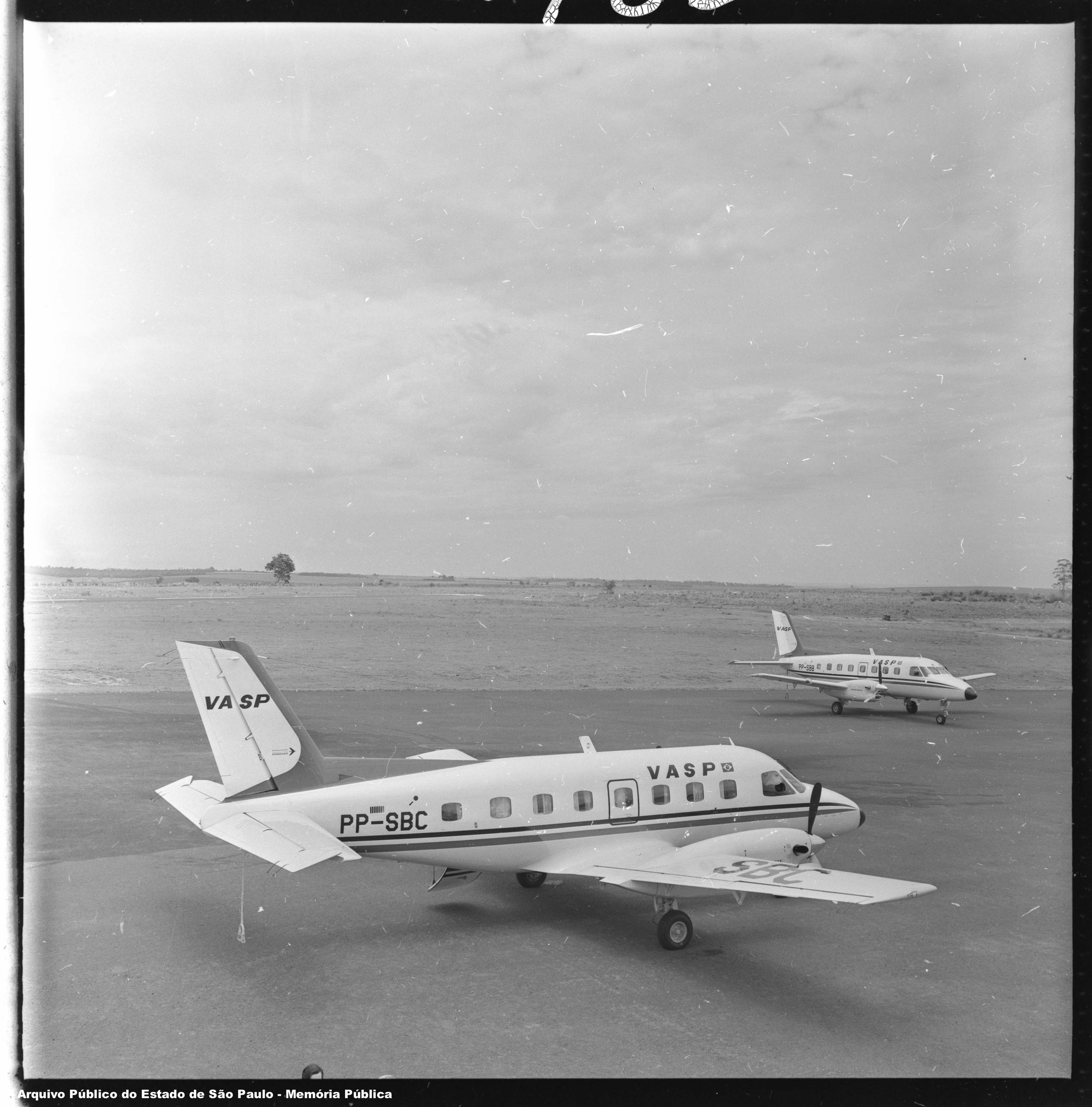
The law gave Embraer both an owner and an industrial task. The Bandeirante could fly, but the eight-seat prototype was already too small for the market the company hoped to serve. The production aircraft became the EMB 110, with a larger cabin and substantial changes. Building it meant making the same structures and systems repeatedly, and delivering aircraft that could be maintained beyond the team that had built the prototypes.<sup class="citation"><a href="/sources/#source-4">4</a>, <a href="/sources/#source-6">6</a></sup> The first series-built Bandeirante flew on 9 August 1972. The Brazilian Air Force received its first aircraft in February 1973. Transbrasil took delivery on 11 April and began commercial service five days later. Uruguay became the first export customer in 1975; Air Littoral became the first overseas airline customer in 1977. Embraer’s map was extending from Brazilian airfields to foreign operators with their own schedules, mechanics and expectations.6
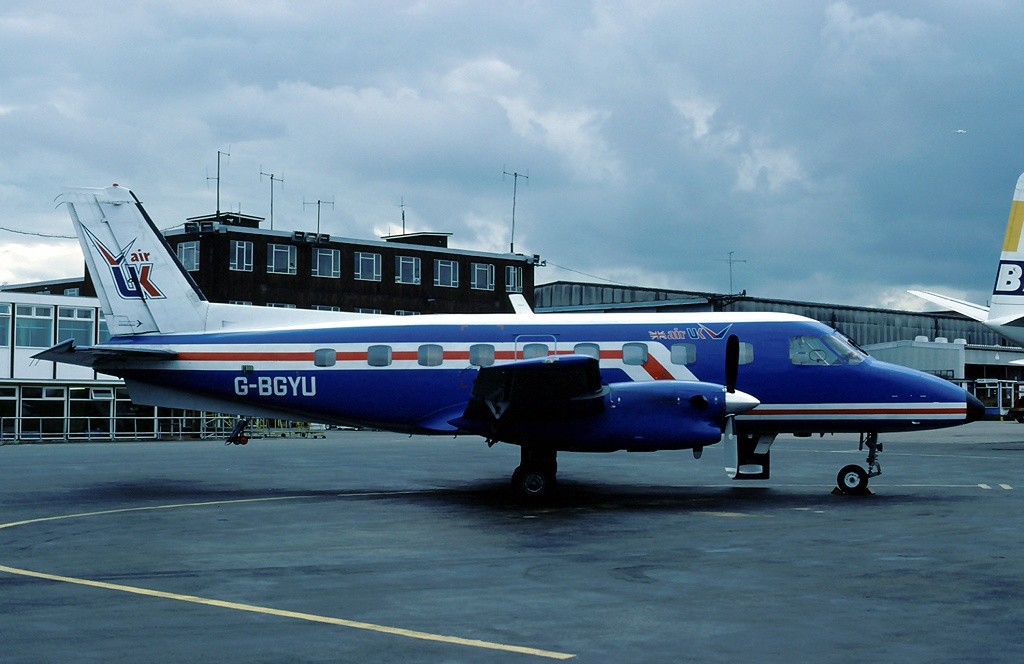
That expansion soon required a permanent presence abroad. In 1979, Embraer established its US subsidiary in Fort Lauderdale, with spare parts, technical assistance and training among its responsibilities. Later Bandeirante versions brought more cabin space, noise improvements, revised equipment and a wider cargo door. The airliner was changing in response to experience gathered from operators far from São José dos Campos.6
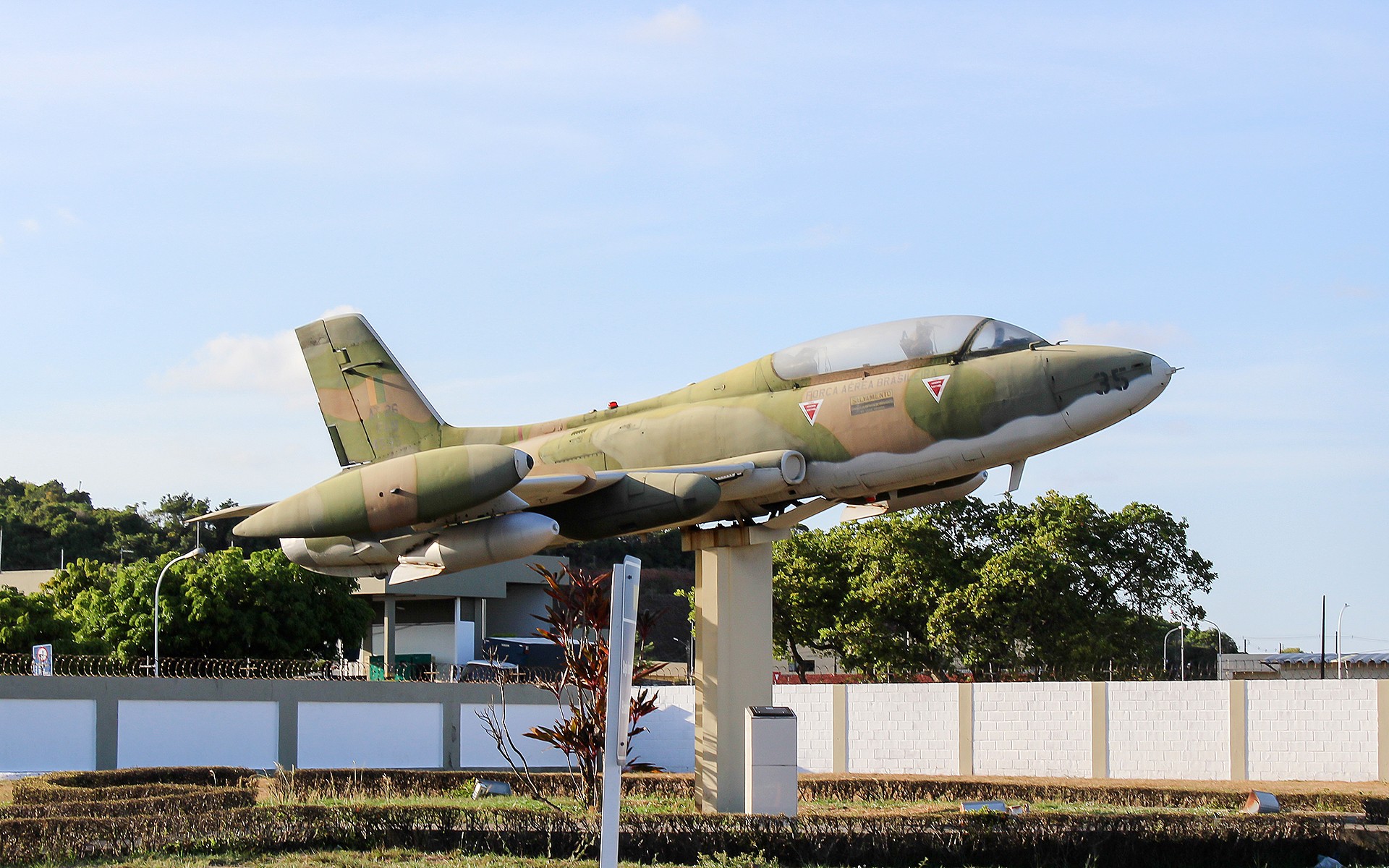
Other aircraft were taking shape beside it. The Ministry of Agriculture had approached the aeronautical centre in 1969 about a machine for agricultural work. Development passed to Embraer, and the Ipanema prototype flew in July 1970. Its first delivery followed in February 1972. One early customer used it on coffee farms in São Paulo state. For this aircraft, the working day consisted of repeated runs over fields, with the pilot and application equipment close to the crop. The agricultural programme remained part of Embraer long after its passenger aircraft had grown into jets.<sup class="citation"><a href="/sources/#source-7">7</a></sup> The company also began producing a jet designed in Italy. The 1970 licence agreement for the Aermacchi MB-326 led to the EMB 326 Xavante. Brazilian engineers travelled to Varese for training, and Italian technicians came to Brazil. The Ministry of Aeronautics ordered 112 aircraft in May 1970. The Xavante flew in Brazil in September 1971 and entered air-force service. Its production line introduced another set of structures, engines and manufacturing requirements to a company still establishing its first products.8
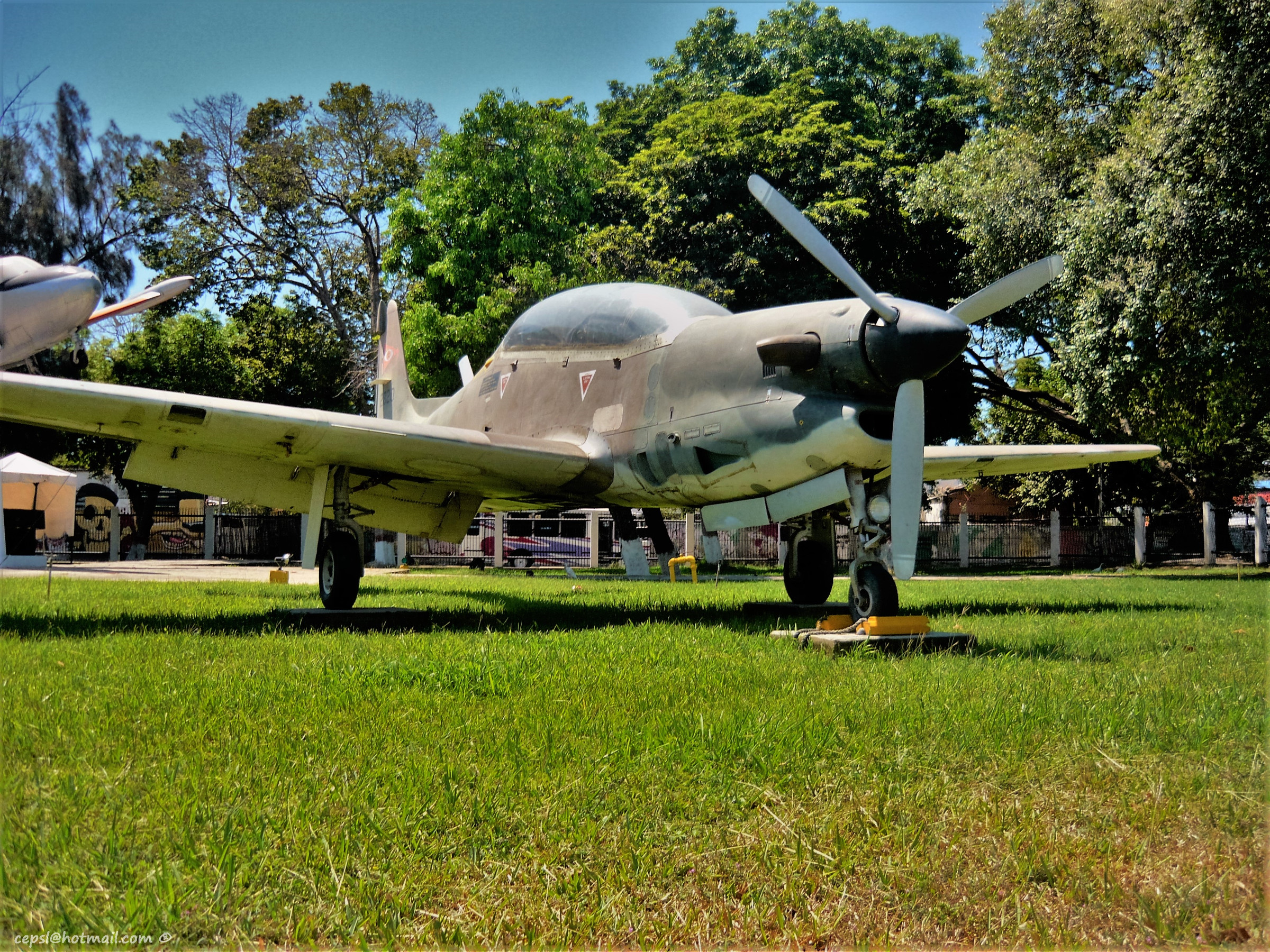
The next trainer was Embraer’s own design. The EMB 312 Tucano first flew on 19 August 1980. A turboprop engine reduced the cost of stages of training that did not require a jet, while tandem seating, an elevated rear cockpit and ejection seats gave it a purpose-built military arrangement. Overseas production widened the programme further. The Egyptian programme involved licensed manufacture, and a modified aircraft developed with Short Brothers won the British training competition. The same basic design could now require different equipment, production arrangements and support on several continents.9
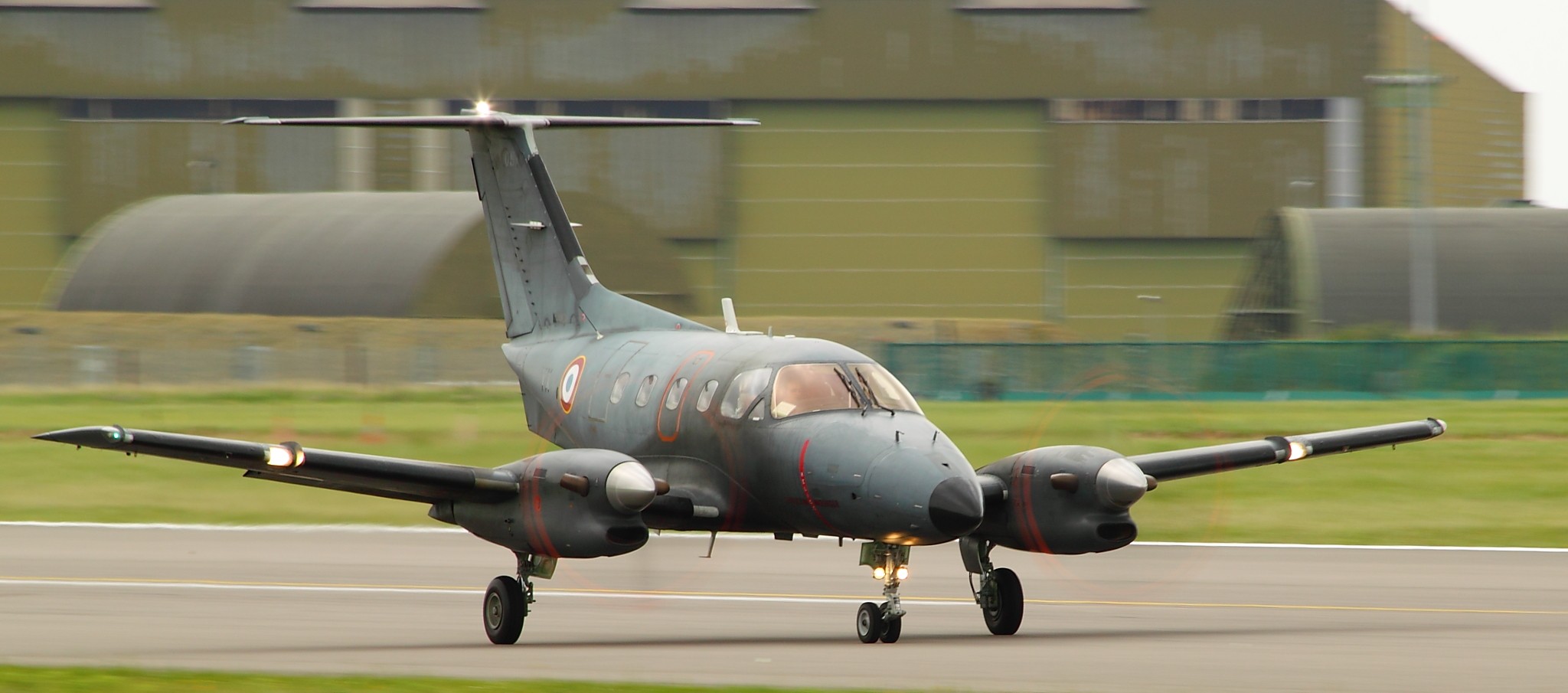
The EMB 121 Xingu had taken a quieter route into military use. It first flew in 1976 as a pressurised executive transport for up to eight passengers. French flying training later became an important part of its career, beginning in 1983. An aircraft developed for a small group of civil travellers was also a way to teach crews to handle a twin-engined turboprop.10
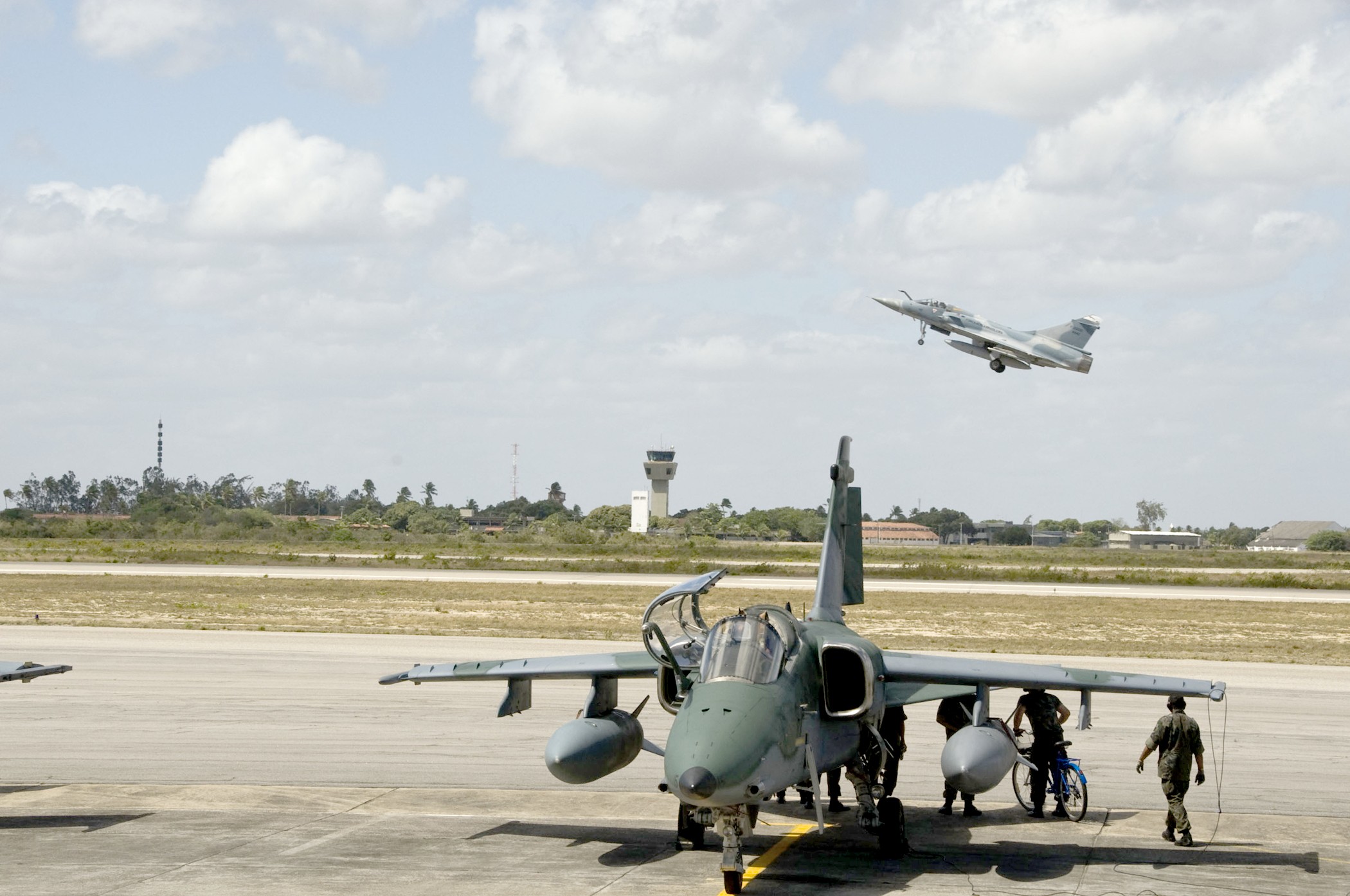
The AMX programme made international cooperation more demanding. Brazil formalised its participation with Italy in March 1981. Embraer’s eventual 30 per cent workshare included wings, air intakes, horizontal stabilisers, pylons and fuel tanks, together with participation in systems work. Engineers had to coordinate changes across companies and national borders, with structures and equipment becoming parts of one military aircraft.11
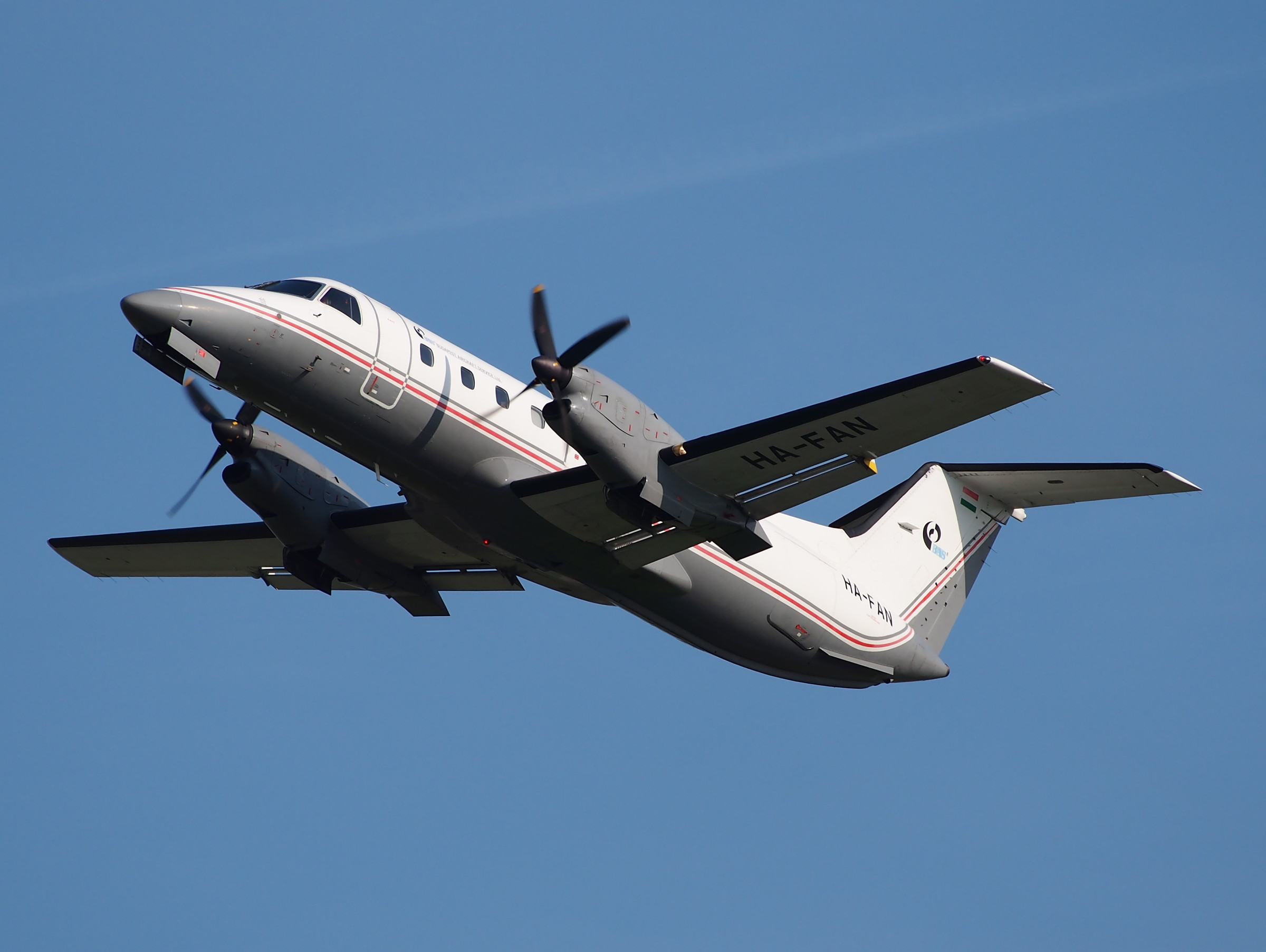
At the same time, the commercial line was moving beyond the Bandeirante. The EMB 120 Brasilia first flew in July 1983 and received Brazilian certification in May 1985. Its pressurised cabin carried thirty passengers. Atlantic Southeast Airlines became the first recipient, and commercial flying began in September 1985 between Gainesville and Atlanta. Rio-Sul introduced the type in Brazil in 1988. The new passenger aircraft had entered service with an American airline before it began flying domestic Brazilian routes.12
The Brasilia was joining airline fleets abroad while Embraer pursued another civil programme at home. Its next small turboprop would consume money the company could scarcely afford to lose.