After the first owner
Azorra saw continuing value in aircraft JetBlue was retiring. On 31 July 2025, the lessor announced an agreement to acquire thirteen E190 airframes and 36 CF34-10E6 engines from the American carrier. Asset deliveries had begun that month and were expected to continue into the second quarter of 2026. The purchase included ten more engines than were needed to fit all thirteen airframes. Azorra highlighted the engines’ remaining operating life before major maintenance and the opportunity to offer near-term powerplant support to other customers. JetBlue could release capital from its departing fleet, while a lessor assembled aircraft and engines for operators that still needed them. Azorra intended to place the acquired airframes and engines with customers around the world. Its July 2025 portfolio already comprised 143 owned and managed aircraft and engines. Including commitments, the total reached 240 assets, with new Airbus A220-300s and Embraer E190/E195-E2s among its orders. The company was financing both successors and the aircraft they were replacing.
Azorra completed that acquisition on 25 June 2026. Its engine-programmes executive, Shahin Mehrabanzad, identified customers facing engine shortages and lengthy maintenance visits as a target for the additional serviceable powerplants. The aircraft and engines were being placed with operators worldwide. By then Azorra’s owned, managed and committed portfolio exceeded 300 assets, spanning both mature equipment and orders for new aircraft. The retired JetBlue engines entered this broader support business at a time when airlines needed available replacements to keep their aircraft flying.122
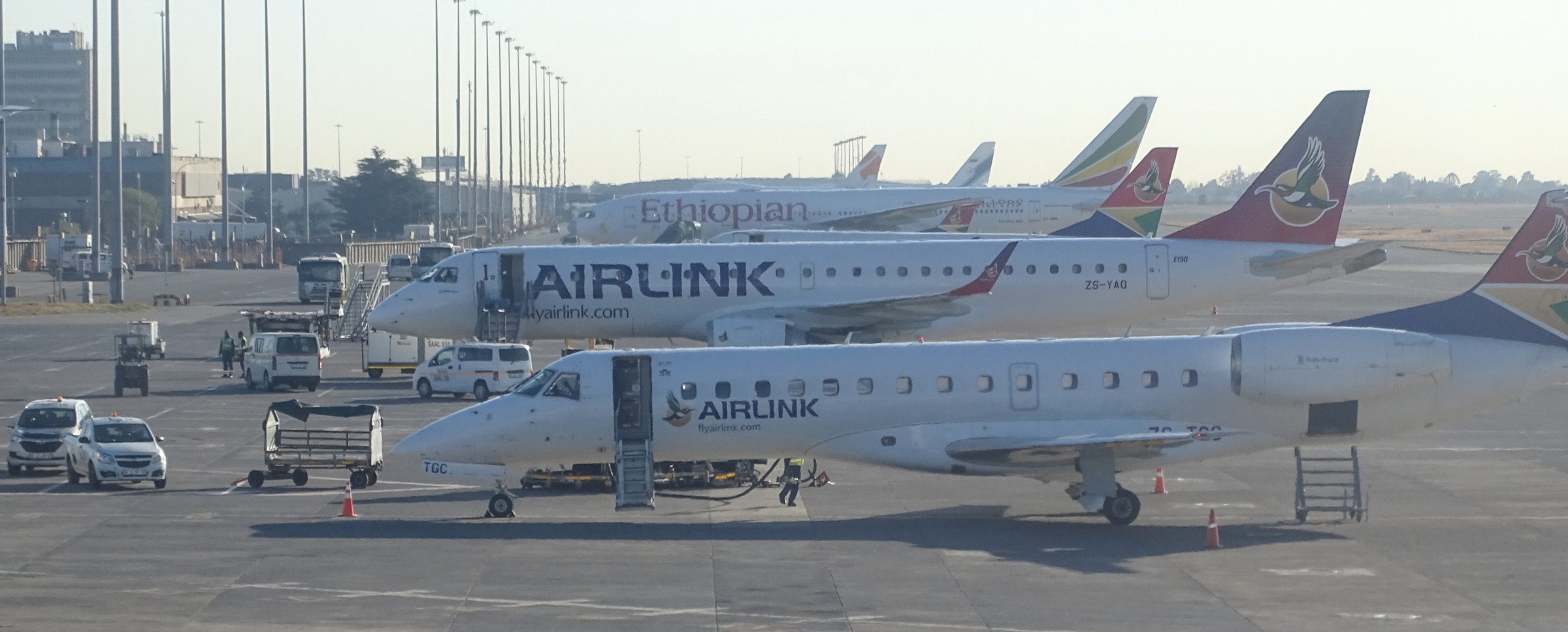
Embraer had already begun preparing a further destination for mature E-Jets. On 7 March 2022, it launched passenger-to-freighter conversions for the E190 and E195. Early E-Jets were coming out of long leases and entering replacement cycles, creating potential feedstock. Embraer envisaged adding another ten to fifteen years of working life through conversion. The proposed market lay between large cargo turboprops and bigger narrowbody freighters, particularly on express routes serving smaller cities. Embraer planned to carry out the conversions in Brazil, removing the passenger interior, reinforcing the floor and installing a main-deck cargo door and handling equipment. The idea also connected two parts of Embraer’s business: a useful second life could support the value of older aircraft as passenger operators considered buying replacements. At launch the company expected service entry in early 2024 and estimated demand for about 700 aircraft over twenty years. The planned early-2024 start would eventually move into 2026.<sup class="citation"><a href="/sources/#source-123">123</a></sup> The E190F made its first flight in April 2024, appeared publicly at Farnborough that July and obtained Brazilian and US approval during the year. In February 2025, Embraer announced European certification as well. The Brazilian and US approvals were followed by EASA clearance, allowing the European launch operator to proceed with its own introduction. The converted aircraft offered a maximum structural payload of 13.5 tonnes across the main deck and lower holds.<sup class="citation"><a href="/sources/#source-124">124</a></sup> Bridges Air Cargo completed the first commercial E-Freighter flight on 9 March 2026, carrying time-sensitive express material from Cologne to Larnaca. The aircraft would work within Bridges Worldwide’s network in Europe, the Middle East and Africa. Chief executive Guy Bridges said his team had spent twelve months developing a suitable container and handling arrangements. Bridges planned express work carrying loads in the eight-to-twelve-tonne range, using the containers and ground arrangements its team had developed. Bridges also brought its own Maltese air-operator certificate to the operation. Regional One supplied the leasing partnership and had expanded its conversion commitment from two aircraft to four in 2025. The first Cologne–Larnaca sector put that aircraft, its container system and its operating organisation to work together.<sup class="citation"><a href="/sources/#source-125">125</a></sup> At Farnborough in July 2026, Azorra added a larger commitment: twenty firm passenger-to-freighter conversions and rights for ten more. The order followed the first E190F service and placed a lessor between Embraer’s conversion line and future operating customers. Azorra chief executive John Evans linked the purchase to the E-Jet’s long-term value and to the company’s CF34 engine business. Azorra’s engine programme could support the converted aircraft as the lessor placed them with freight operators.126