Europe’s changing fleets
Flybe was the first customer to receive the E195. Embraer’s September 2006 order table recorded one delivered aircraft against a firm order for fourteen. The largest original E-Jet thus began its airline career with a British regional operator, adding a new capacity choice to a business built around connections between smaller cities and European destinations.
By July 2014, that capacity had become a problem. Flybe’s own management statement listed fourteen leased E195s with 118 seats each, alongside eleven E175s and a much larger Q400 fleet in its UK operation. Ten E195s were grounded on 23 July while the company sought other airlines willing to take them through subleases or contract flying. Grounded E195s had cost £6.4 million during the quarter. Chief executive Saad Hammad’s turnaround concentrated on capacity, revenue, costs and organisation; UK seat capacity had fallen 17.2 per cent from a year earlier. The spare jets were therefore part of a broader effort to fit the fleet to the traffic the business could attract. Flybe was trying to recover value from aircraft whose lease obligations continued even when its own network could not employ them profitably.98
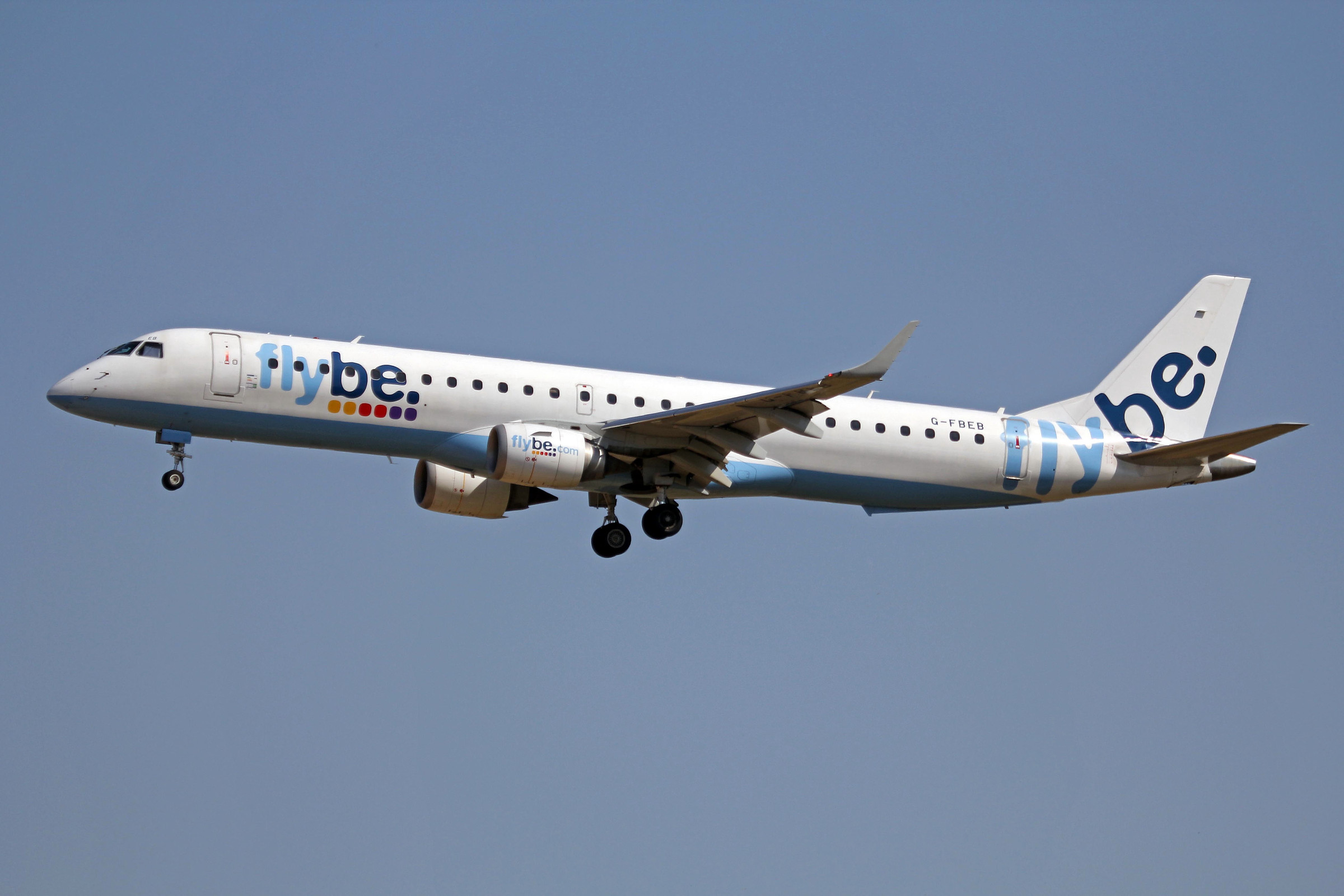
The original Flybe ceased trading in the early hours of 5 March 2020. The British government’s immediate response concerned stranded passengers, alternative transport and employees who had lost their jobs. Passengers were directed towards other airlines, rail and coach services as the government sought ways to restore affected connections.99
Across the North Sea, KLM Cityhopper had been building a more lasting succession. Its first E190 arrived in December 2008, and the first E175 followed in April 2016. They took over work from Fokkers, a manufacturer deeply associated with Dutch aviation. By June 2016, Cityhopper was planning the final Fokker 70 withdrawal for the following autumn and an operation based entirely on E190s and E175s. The task was substantial: approximately 100,000 flights a year from Schiphol to 57 European destinations. Managing director Boet Kreiken linked replacement to operating costs and environmental performance. The two Embraer sizes gave the subsidiary a common family for serving that network, with capacity that could be assigned across destinations and departures while the remaining Fokkers left. The transition placed Brazilian aircraft at the centre of a Dutch airline’s European connections.100
The next expansion arrived at Schiphol on 25 February 2021. KLM’s first E195-E2 had 132 seats, making it Cityhopper’s largest aircraft, and was scheduled to enter operation on 1 March. At that point the existing fleet contained 32 E190s and seventeen E175s. The larger cabin carried more travellers on each departure while retaining a smaller aircraft than the mainline narrowbodies beyond Cityhopper’s operation. KLM presented the new jet as part of its environmental programme and said it consumed nine per cent less fuel per flight than the E190. Its claimed reduction per passenger was much larger, at 31 per cent, because the comparison also included the extra seats. The larger cabin spread each departure’s fuel consumption across substantially more available seats.101
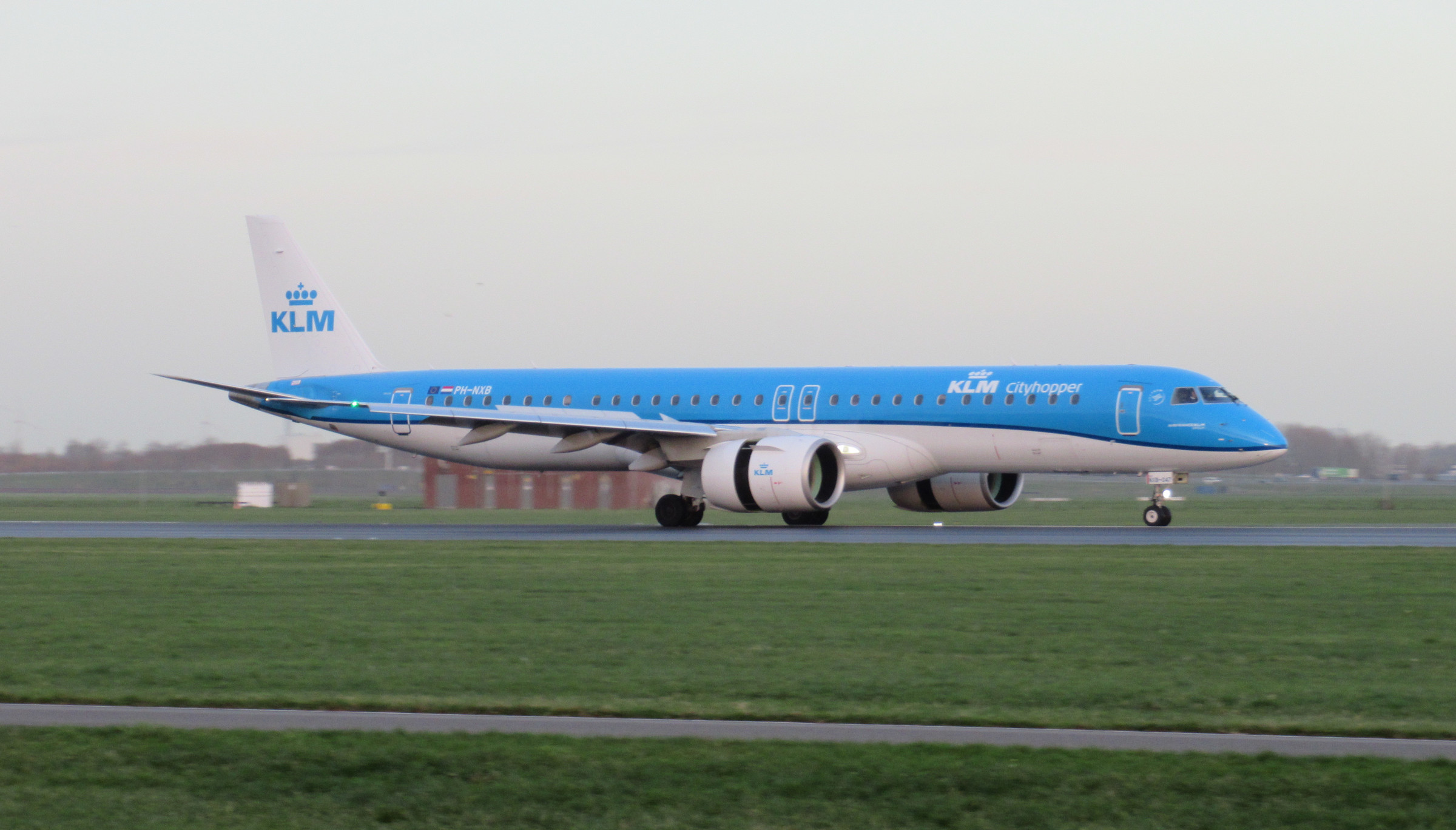
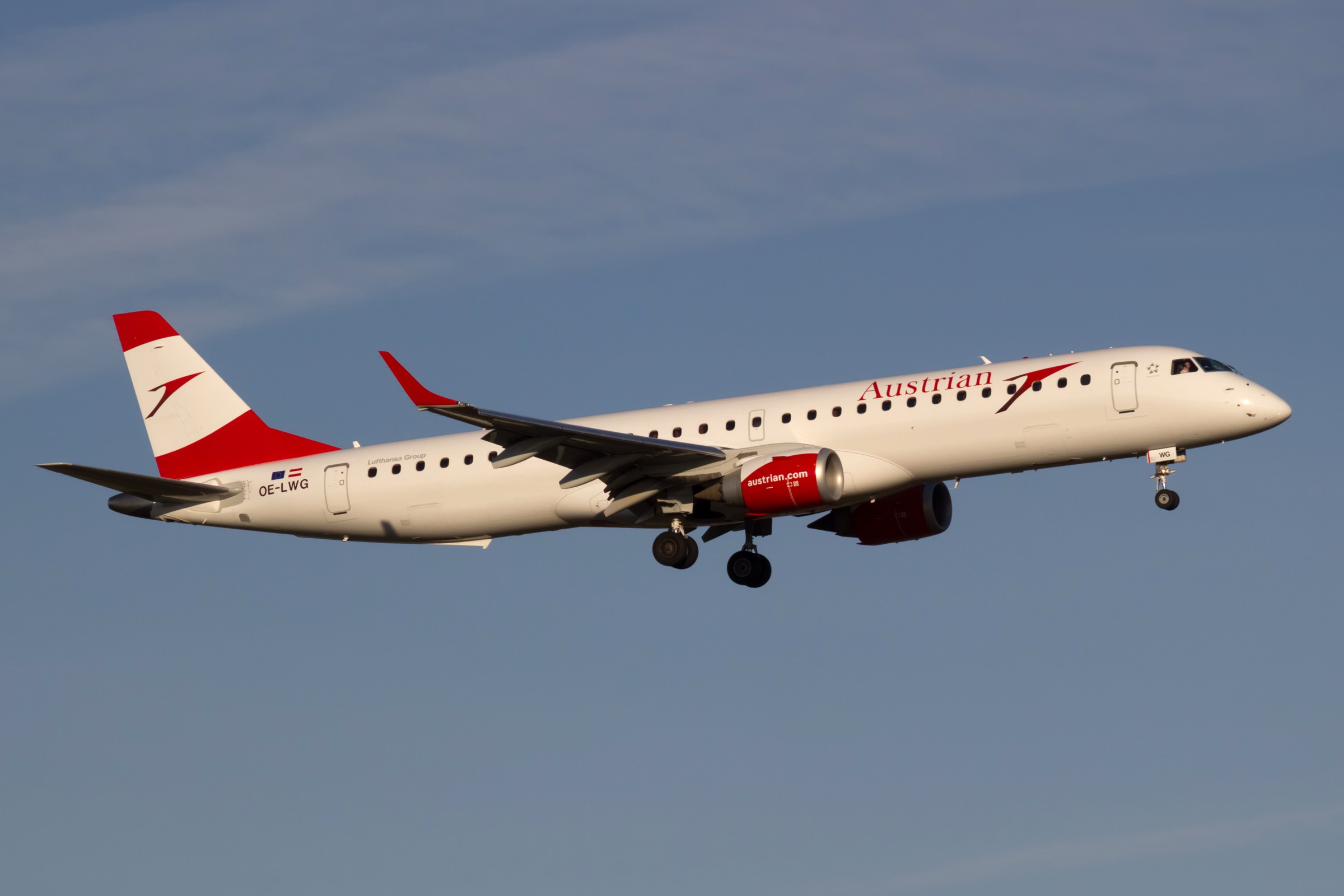
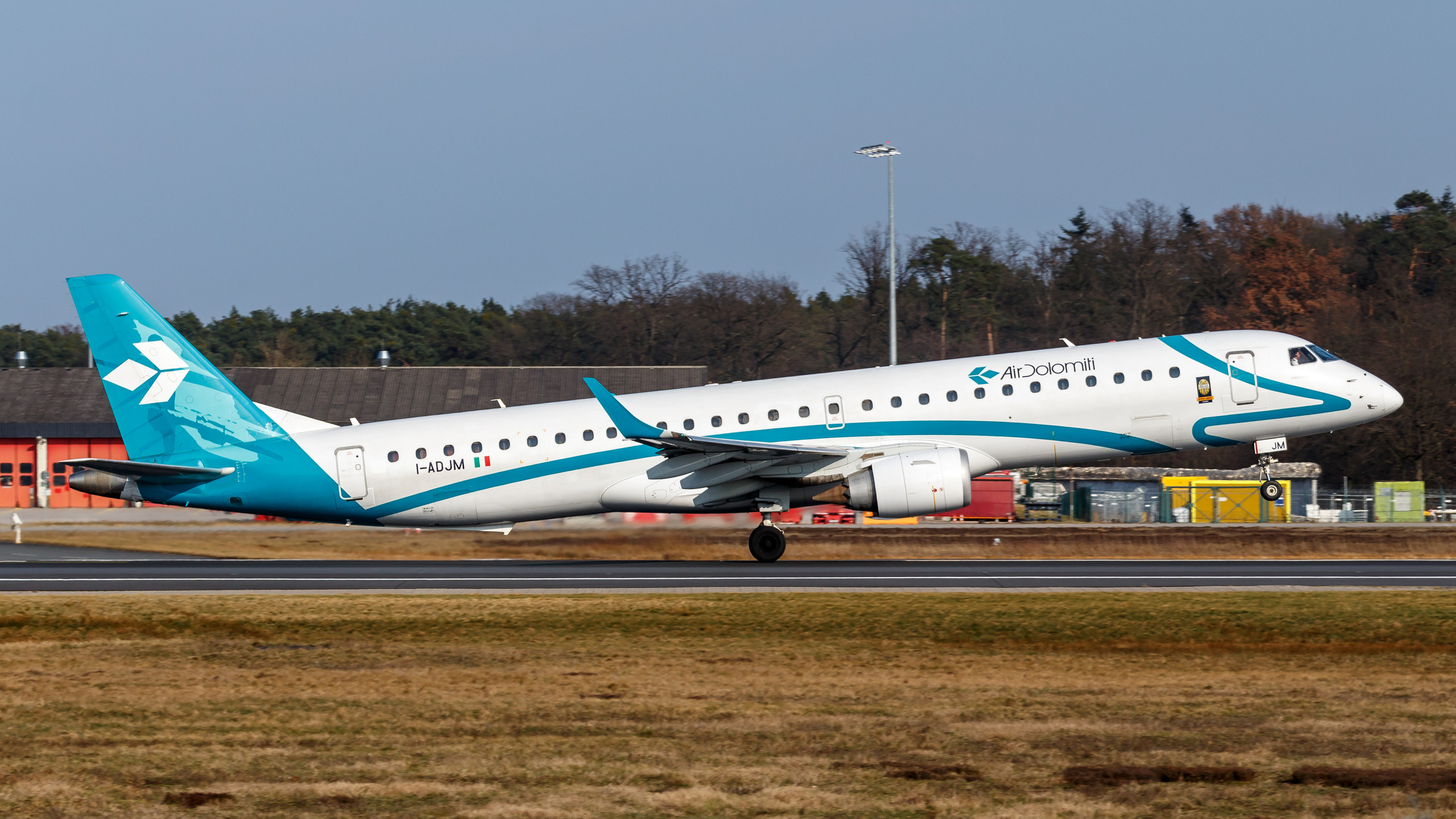
Aircraft availability later interrupted that progression. KLM placed four E195-E2s at Twente in 2024 because replacement engines were unavailable. Engines, auxiliary power units and batteries were removed, and the airframes were wrapped for protection during storage. In April 2026, KLM reported improving engine availability and a gradual return to service. Bringing an aircraft back required removing the protective covering, restoring equipment, completing checks and inspecting airworthiness. The parked jets had remained part of the fleet, yet for that period they could supply no seats to the timetable.<sup class="citation"><a href="/sources/#source-102">102</a></sup> Lufthansa’s Italian connections gave the original E195 another established role. Air Dolomiti began operating the type in February 2009, following its integration into the Lufthansa Group. Its history had started in 1991 with links from smaller Italian cities, and the Lufthansa partnership developed during the 1990s before full group ownership. The E195 entered an operation concentrated on feeding German hubs, particularly Munich and Frankfurt. Frequency and convenient connections shaped that work: the aircraft arriving from an Italian city formed one part of a longer journey. Air Dolomiti retained a recognisable Italian identity while the routes supported Lufthansa’s wider European and intercontinental network.103
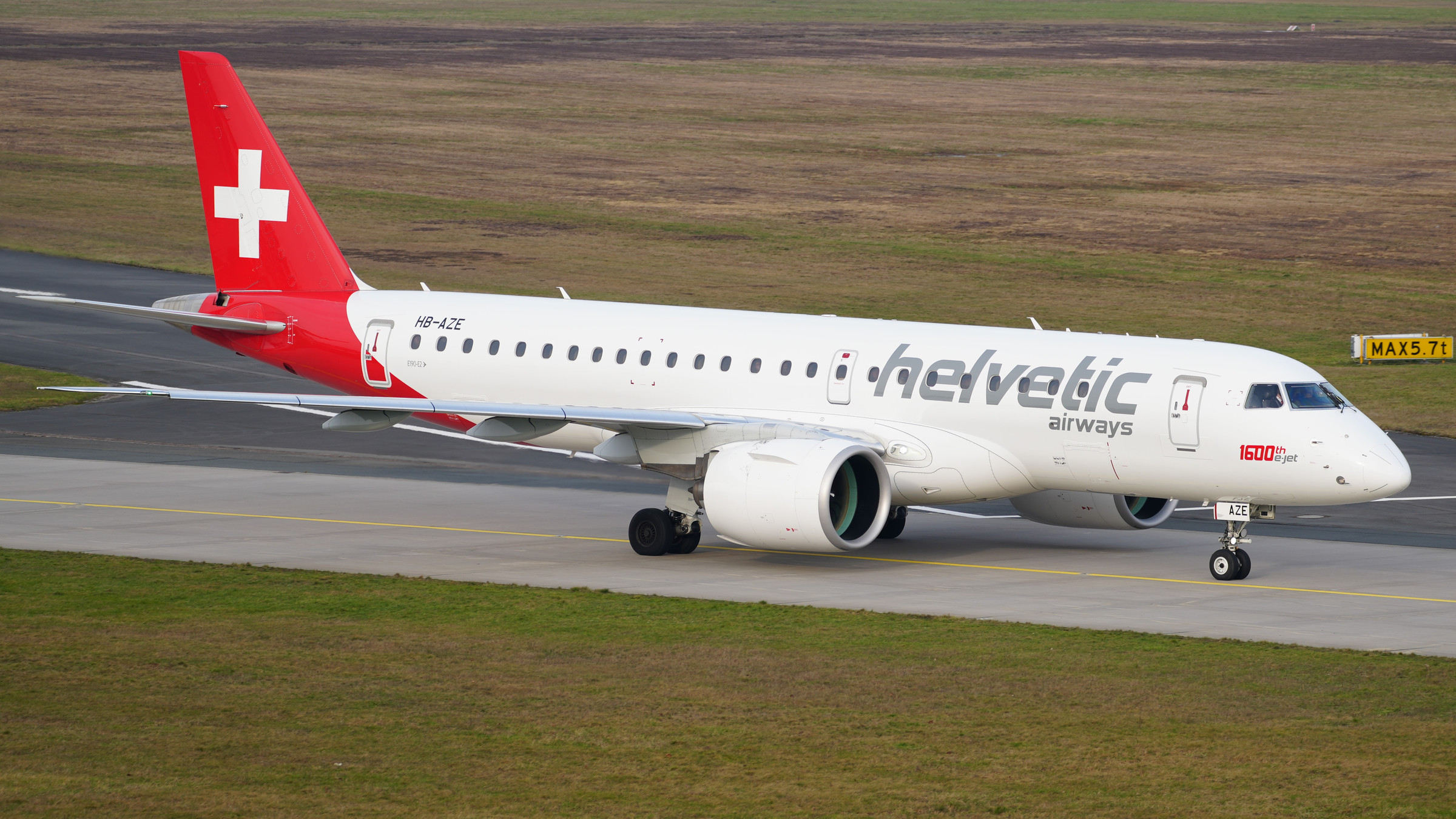
Helvetic Airways supplied a further form of partnership. Its first E190-E2, HB-AZA, reached Zurich on 29 October 2019 after stops in Recife and Las Palmas. Chief executive Tobias Pogorevc described an introduction involving more than eighteen months of preparation. Helvetic had ordered twelve E190-E2s, with rights for twelve more, and intended to use the aircraft primarily on European services for Swiss International Air Lines. The first commercial flight was scheduled to Bremen on 1 November. A passenger buying a SWISS journey could thus travel aboard an aircraft operated by Helvetic. Helvetic would supply the aircraft and crews for those SWISS services while renewing its own fleet.104