Orders, factories and the years after delivery
Embraer in 2026 At the end of September 2026, Embraer’s commercial deliveries still contained more first-generation E175s than either E2 model. The first nine months had produced twenty-seven E175 deliveries, nine E190-E2s and sixteen E195-E2s. Together they made fifty-two commercial jets. Executive aviation accounted for another 115 aircraft, and defence for eight, bringing the reported three-business total to 175.
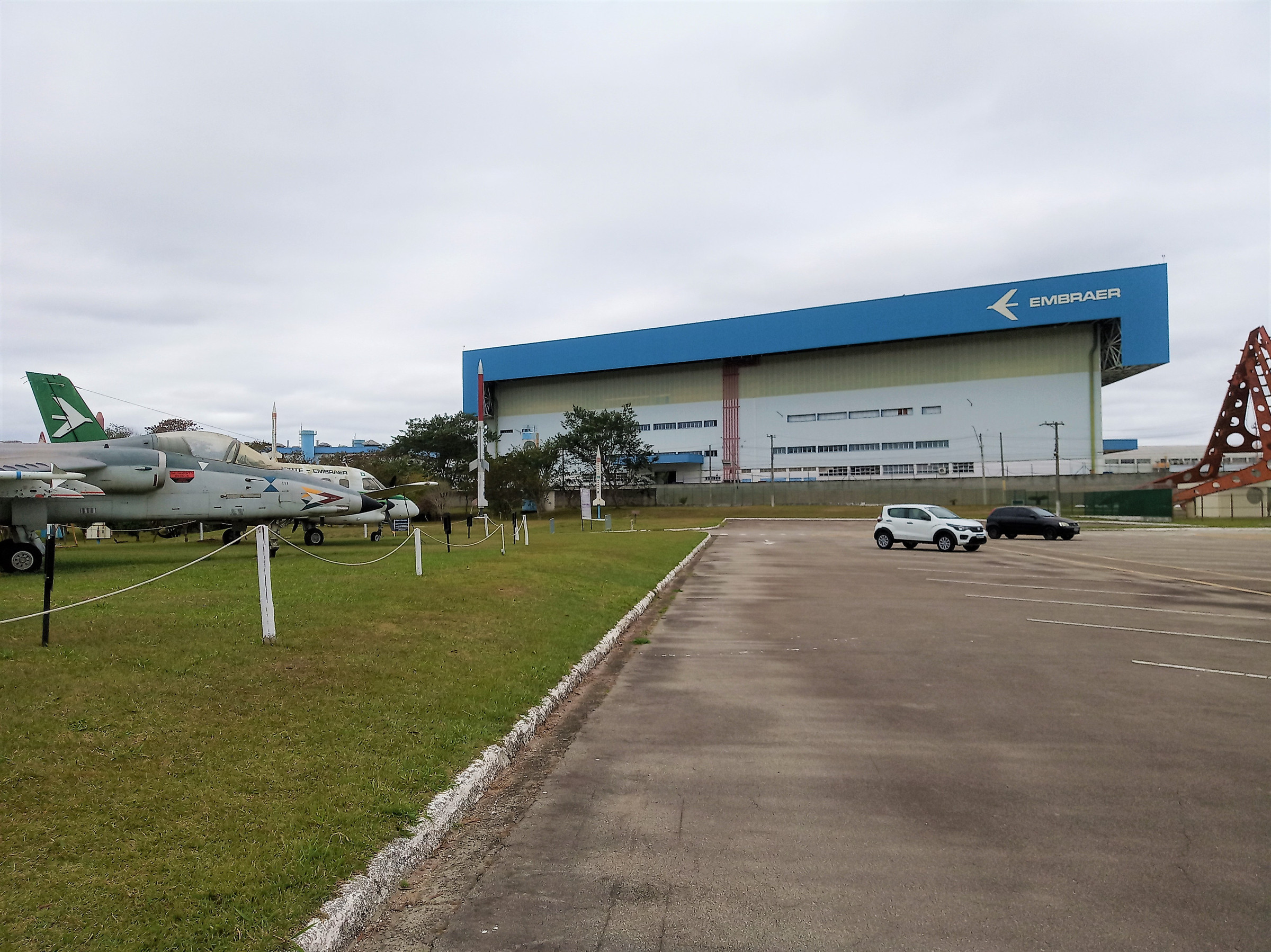
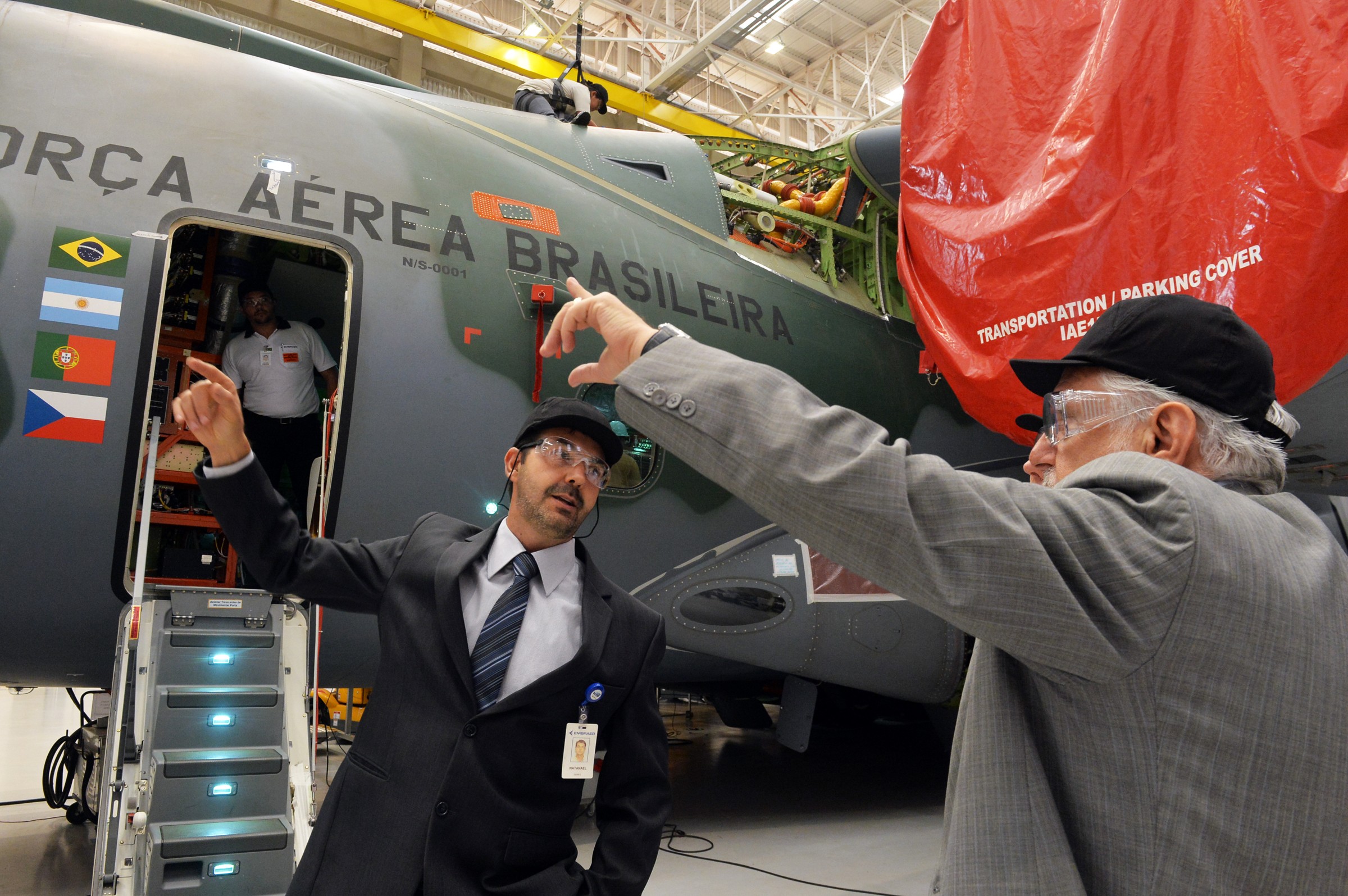
Embraer entered 2026 under chief executive Francisco Gomes Neto, who had taken the post in 2019. Revenue for 2025 reached US$7.58 billion. Commercial aviation contributed about US$2.37 billion, executive aviation US$2.21 billion and services US$1.93 billion. Defence accounted for about US$984 million. The full-year results release reported adjusted operating profit of US$656.8 million and an adjusted margin of 8.7 per cent.<sup class="citation"><a href="/sources/#source-17">17</a>, <a href="/sources/#source-135">135</a></sup> By the third quarter of 2026, the reported backlog had reached US$35.7 billion. Commercial aviation held US$15.8 billion, executive aviation US$8.2 billion, defence US$6.1 billion and services US$5.6 billion. Much of the work therefore lay beyond the delivery of a new passenger aircraft. Service agreements committed the company to supporting fleets over future years, while military and executive orders brought different production schedules and customer requirements.<sup class="citation"><a href="/sources/#source-136">136</a></sup> The August 2026 earnings release raised the year’s adjusted margin and cash-flow guidance. Embraer cited improved business expectations, tariff exemption and an extraordinary tax credit.<sup class="citation"><a href="/sources/#source-137">137</a></sup> Commercial-aircraft production remained centred at São José dos Campos. Gavião Peixoto combined defence assembly, executive-aircraft activity and flight testing. Botucatu built the Ipanema. In Florida, Melbourne brought together assembly, completion, engineering and customer-delivery functions. Its Phenom line and Praetor completion work occupied different places in the production chain, even though both served the executive-aircraft business.17, 138
credit]
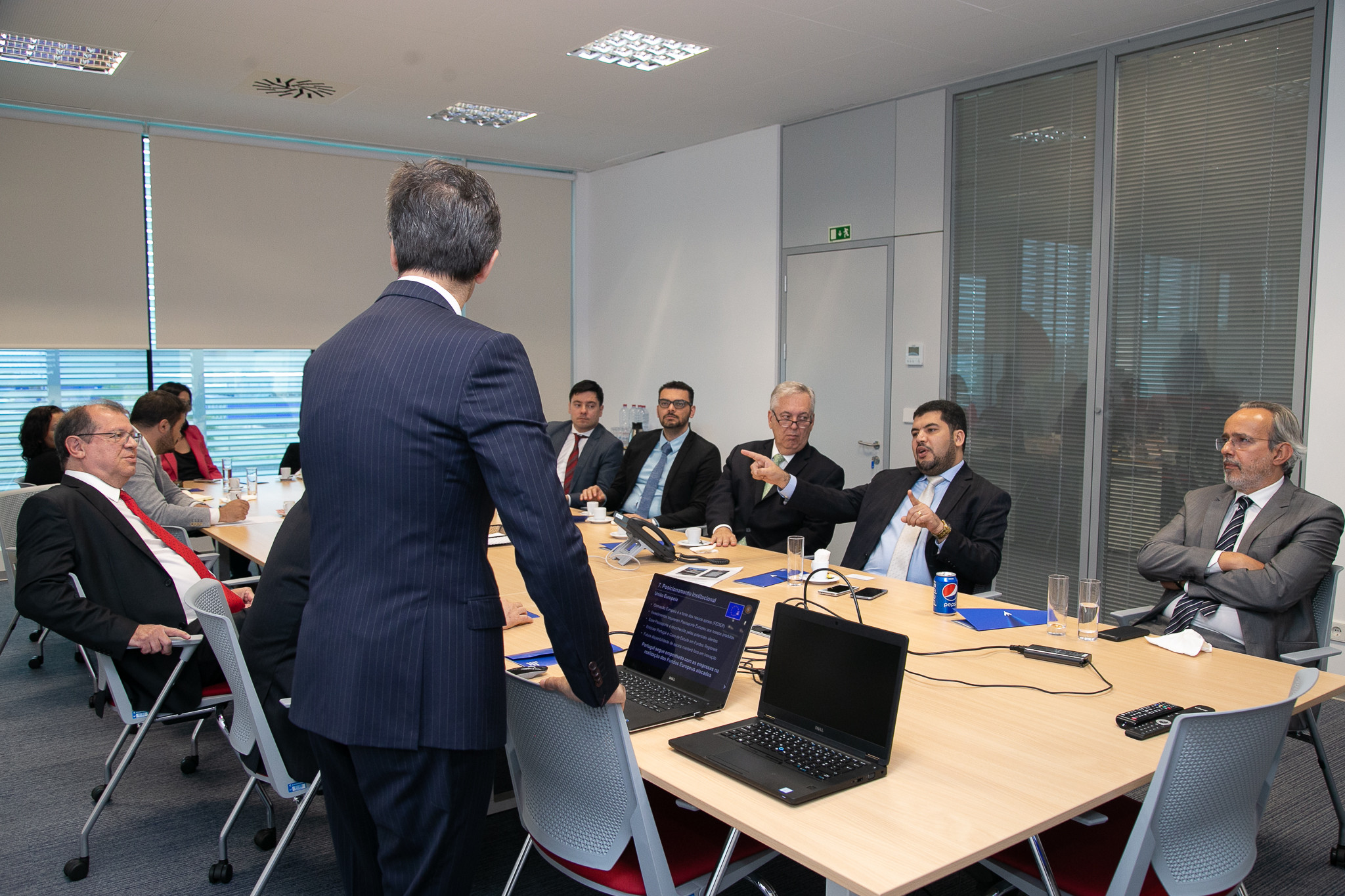
The supply network extended well beyond those sites. Portugal’s Évora plants made metallic and composite aerostructures for Embraer programmes. Aernnova acquired the two businesses in May 2022 and continued supplying the aircraft. OGMA remained a separate operation at Alverca, with Embraer holding 65 per cent and the Portuguese state 35 per cent. The two Portuguese locations connected Embraer to different activities and different ownership arrangements.139, 140
In Chihuahua, Mexico, the connection became more direct. Embraer bought Safran Cabin’s remaining half of EZ Air in July 2026. Established as a joint venture in 2012, the business supplied E-Jet interior components, including baggage bins, galleys, lavatories and floor panels. The transaction also brought selected Embraer-related operations at Jacareí into the arrangement. A finished fuselage still needs its interior installed before it can be accepted by an airline, and those components had become a business under Embraer’s full control.<sup class="citation"><a href="/sources/#source-141">141</a></sup> Inside the Brazilian factories, production time was also receiving attention. Cooperation with Toyota began at the Ozires Silva plant in 2022. Embraer later reported a 50 per cent reduction in the cycle time of one wing-production stage and a 17 per cent reduction in total wing-manufacturing time. The work subsequently extended to a station in final assembly. The improvements concerned particular operations through which each aircraft passed.<sup class="citation"><a href="/sources/#source-142">142</a></sup> Training supplied another part of the capacity. Embraer and ITA’s professional master’s programme began with its first class in March 2001. By its twenty-fifth anniversary, the company reported approximately 1,800 graduates from different engineering disciplines. The course combined formal teaching with an aircraft-design project. The engineers had to bring structures, systems, aerodynamics and other specialisms into one design, with each decision affecting work elsewhere in the aircraft.<sup class="citation"><a href="/sources/#source-143">143</a></sup> Once an aircraft left the factory, parts and repairs took over some of the commercial relationship. In October 2026, Air Dolomiti agreed component-pool support for thirty E-Jets and more than three hundred components. Exchange, repair and overhaul arrangements allowed the airline to draw on a shared support organisation. A removed component could enter the repair system while a serviceable replacement kept the aircraft moving through its schedule.<sup class="citation"><a href="/sources/#source-144">144</a></sup> OGMA’s engine work reached aircraft from another manufacturer as well. In July 2024, Pratt & Whitney announced the first GTF engine induction there, covering the PW1100G-JM used on the Airbus A320neo family. The Portuguese business was adding tooling, skills and repair capacity to a support network operating on a much larger fleet than Embraer’s own airliners.<sup class="citation"><a href="/sources/#source-145">145</a></sup> Aircraft sales had also brought serious failures in the company’s conduct. In October 2016, Embraer entered a US deferred prosecution agreement after admitting bribery, falsified records and inadequate accounting controls. The Department of Justice described payments connected with aircraft contracts in the Dominican Republic, Saudi Arabia and Mozambique, together with falsely recorded payments in India. In Mozambique, the admitted payment was US$800,000 through a false agency agreement associated with a sale to the state-owned airline LAM.<sup class="citation"><a href="/sources/#source-146">146</a></sup> The US criminal penalty was approximately US$107 million. With the related SEC resolution, the announced total was approximately US$205 million. The agreement required an independent compliance monitor and changes to the company’s controls. Embraer’s 2020 financial disclosure subsequently recorded the monitor’s final report in April and the expiry of the monitorship in May, while further procedural steps remained.146, 147, 148