The E2 finds new work
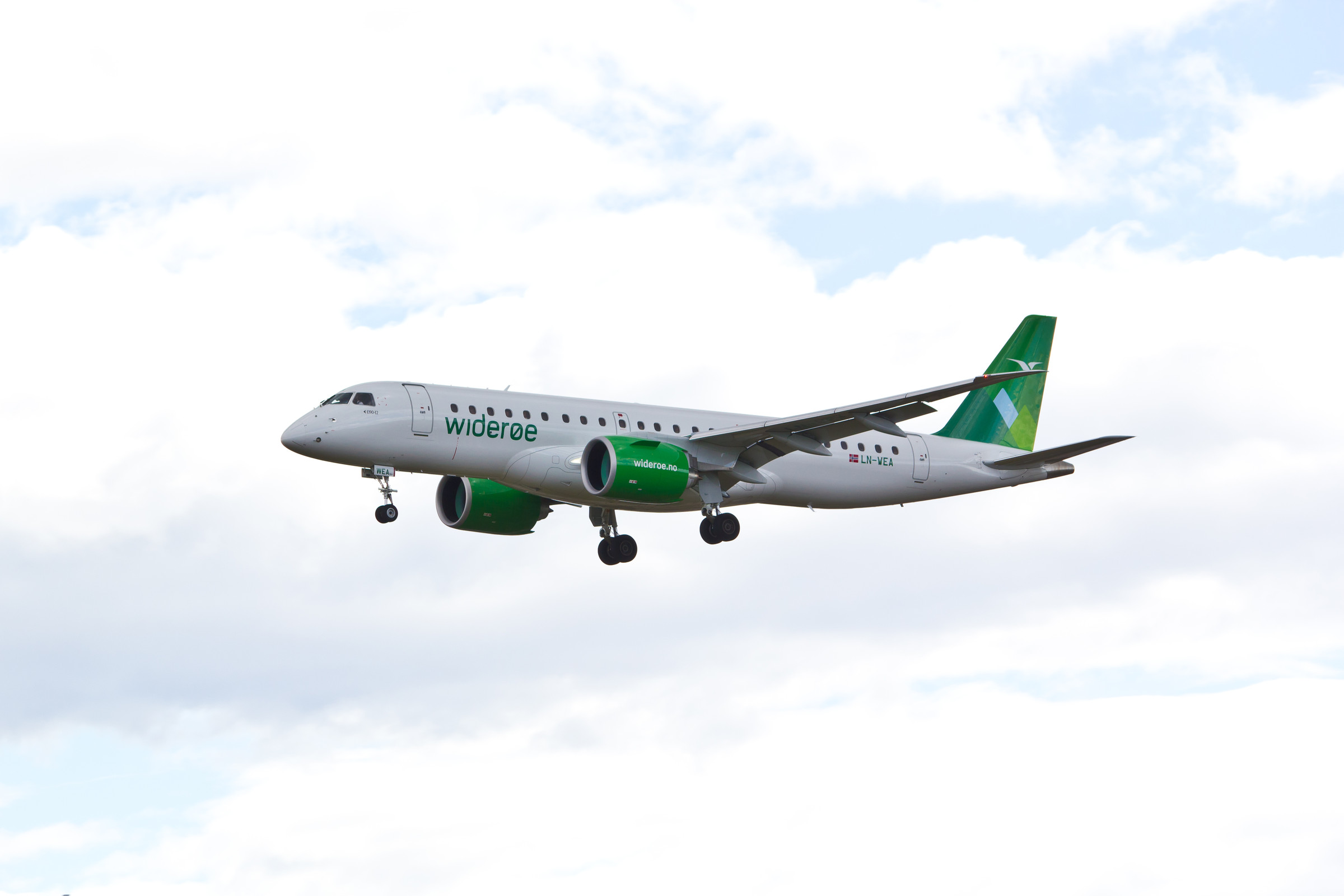
Widerøe’s first E190-E2 routes were chosen to link western and northern Norway more directly. The 114-seat aircraft was assigned to Bergen–Tromsø, followed by Bergen–Bodø. When Avinor announced the plan in October 2017, regional tourism leaders described the opportunity to combine western fjords with northern experiences in a single trip. The airline expected shorter journey times than its Dash 8 Q400s could offer on the same sectors. The new jet joined a commercial effort to bring visitors into Bergen and move them onward through Norway, while serving business passengers on the same routes. Chief executive Stein Nilsen wanted to connect western Norway’s fjords and mountains with northern journeys built around the midnight sun and northern lights.
Commercial operation began on 24 April 2018. Avinor’s account of the day also recorded the establishment of aircraft and a technical base at Bergen, bringing maintenance work and employment alongside the flights. Widerøe was developing direct links from Hamburg, Munich, Billund and Gothenburg into the city. Bergen would receive international visitors and supply onward travel to Tromsø and Bodø, supported by the new technical base.113
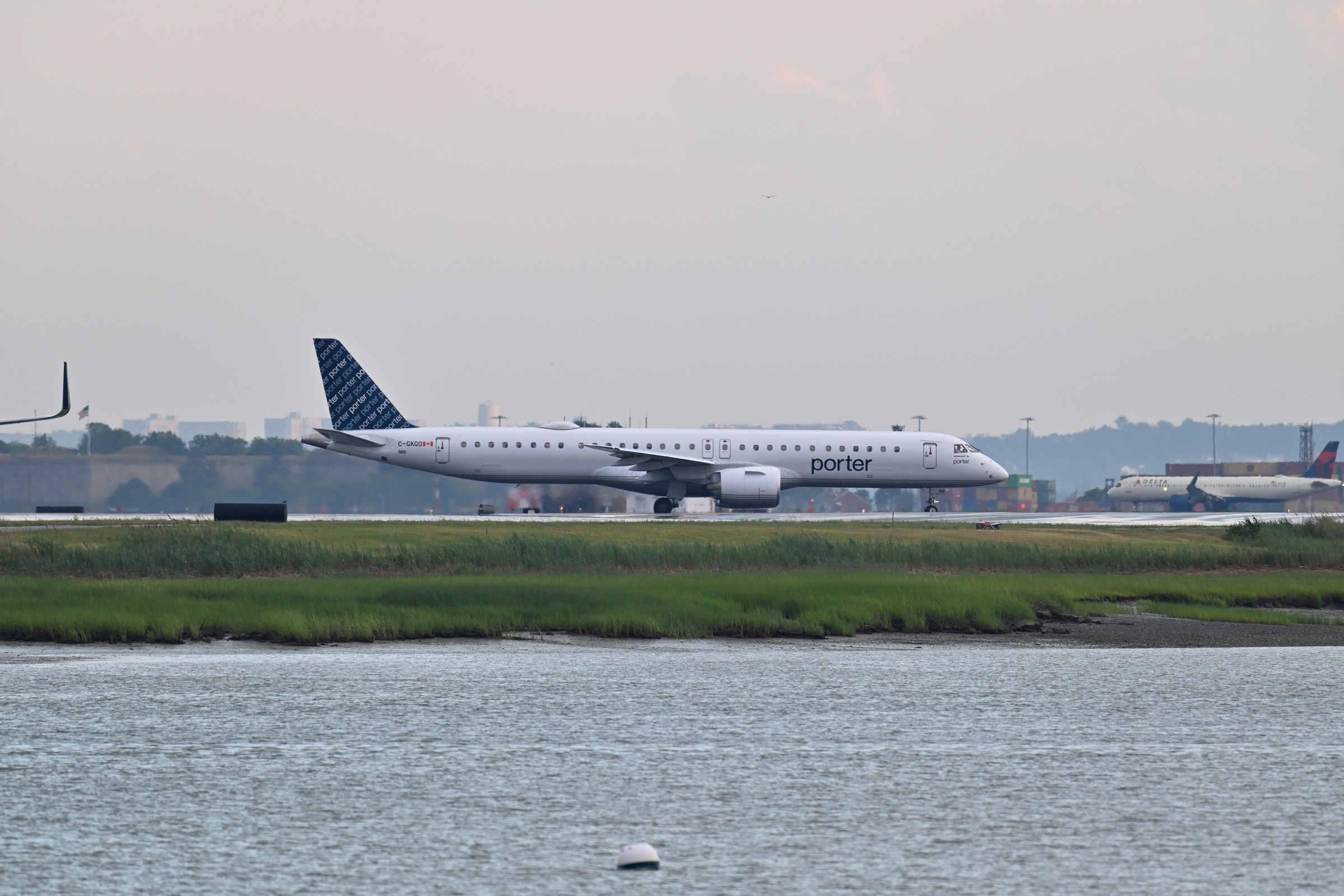
Porter used the larger E195-E2 to change the reach of its Canadian business. On 1 February 2023, its first flights linked Toronto Pearson with Ottawa and Montreal. Porter continued serving those cities with Dash 8-400s from Billy Bishop, preserving the regional network associated with the downtown airport while establishing a jet network at Pearson. Vancouver, Edmonton, Calgary and Halifax were scheduled to follow during February. Beyond those first routes lay plans for the western coast, the southern United States, Mexico and the Caribbean. The airline carried familiar elements of its service into the jet operation, including complimentary beer and wine served in glassware, and added the PorterReserve offering with more legroom and bundled travel benefits. Two Toronto airports, two aircraft types and a wider geographic ambition now sat within the same company. The E195-E2 supplied the capacity and reach for the second network to grow.114
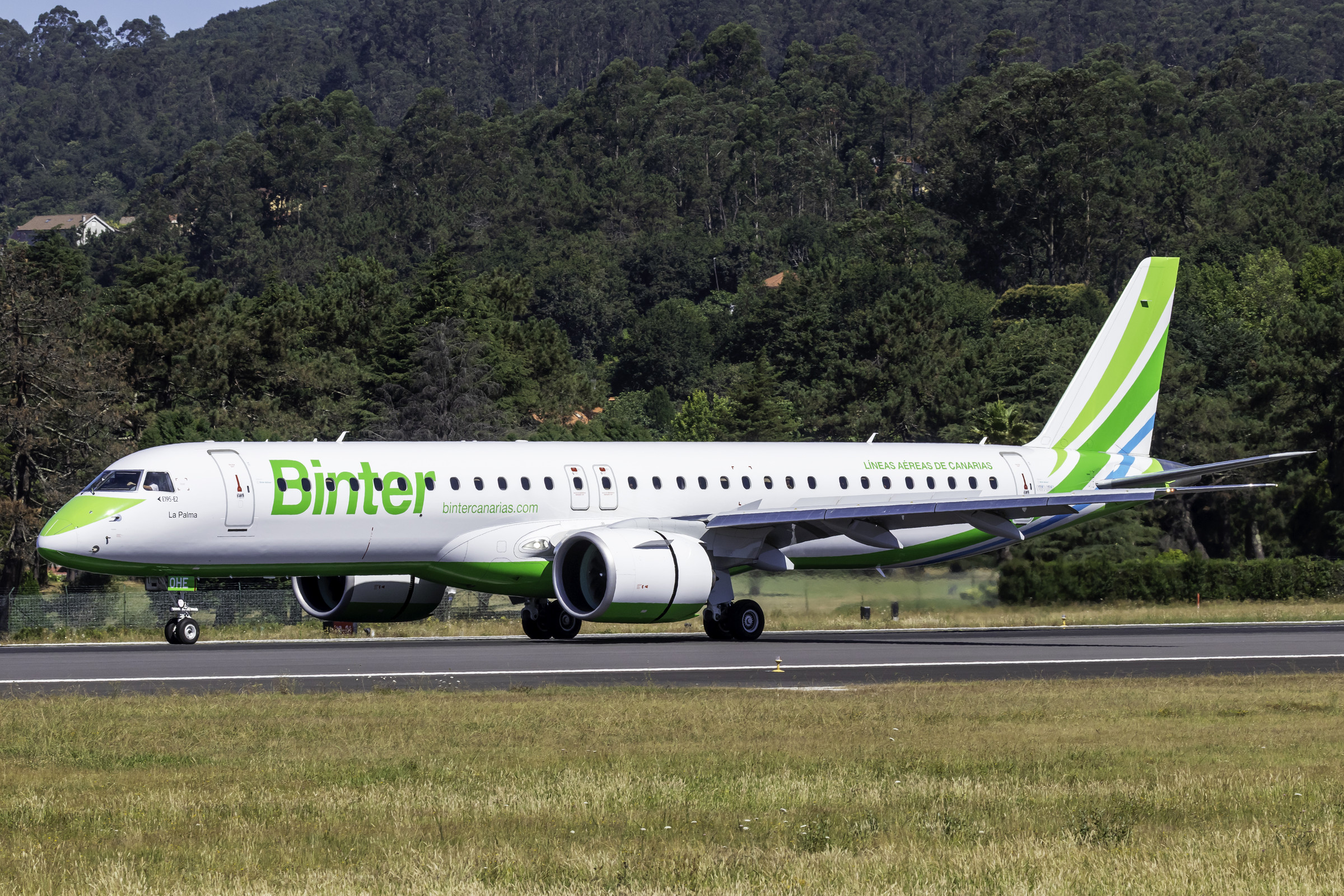
Binter combined its ATR turboprop network in the Canary Islands with E195-E2 routes reaching farther across the Atlantic and into mainland Europe. Its first E2, Islas Canarias, began commercial flying on 13 December 2019 from Gran Canaria to Sal in Cape Verde, after an inaugural staff flight between Gran Canaria and Tenerife. Binter chose 132 seats, and in December 2023 it received La Gomera, the first of five additional E2s assigned to a new Madrid operation. From 1 February 2024, the airline planned sixteen daily flights linking Madrid with Gran Canaria and Tenerife North. Passengers travelling from other Canary Islands could connect through the inter-island network without an additional fare. Binter also planned its own handling operation and a sales office at Madrid’s Terminal 2. The jets therefore carried the airline’s island connections into a market with frequent departures throughout the day. In October 2026, Binter listed sixteen E195-E2s alongside 26 ATR 72s. The two fleets continued working within the same connecting system.115, 116, 117
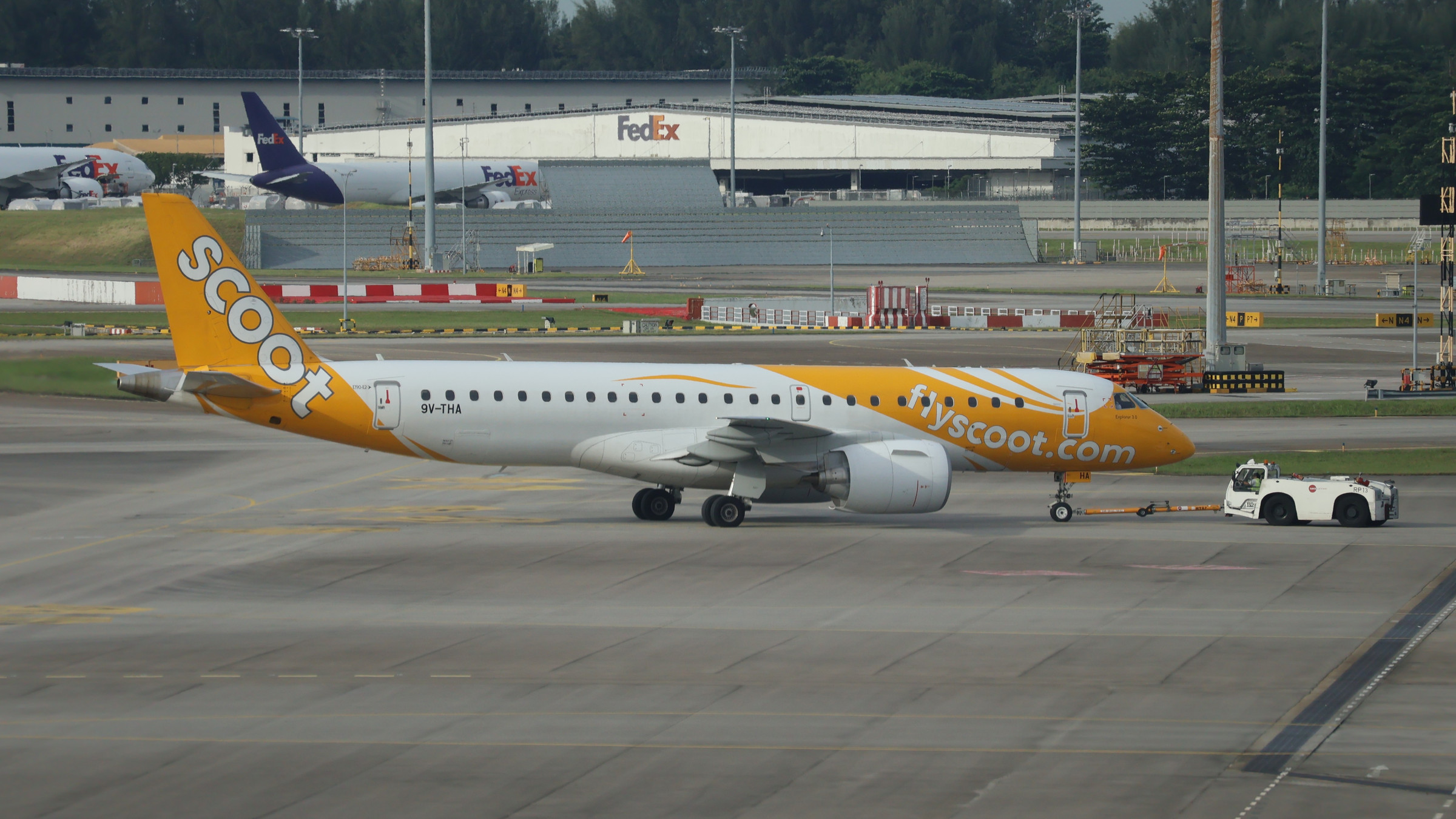
Scoot chose the E190-E2 to expand its Southeast Asian network. The Singapore Airlines subsidiary wanted to strengthen links to destinations outside the largest metropolitan markets. Its first E2 began operations on 7 May 2024, with inaugural flights to Krabi and Hat Yai in Thailand. The airline installed 112 seats in a single-class, two-by-two layout, with a standard pitch of 29 inches. A second aircraft had already reached Singapore, and seven more were then expected by the end of 2025. Chief executive Leslie Thng linked the selection to growing the fleet and extending regional connectivity. Scoot’s initial timetable offered daily Singapore–Krabi flights, with three additional weekly frequencies scheduled from 9 May. The new type joined an airline then serving 67 destinations across fifteen countries and territories.
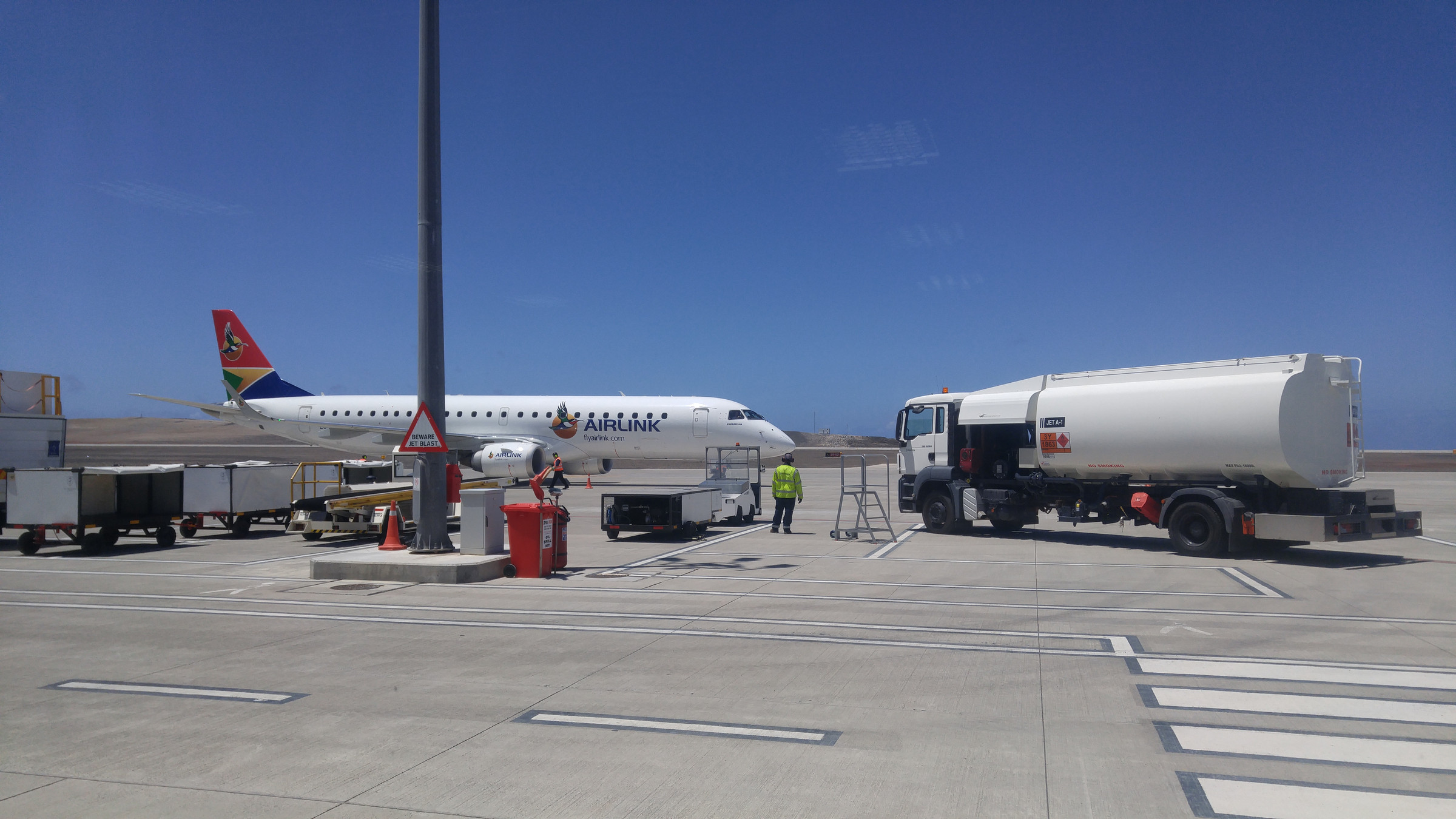
In Southern Africa, Airlink put its first E195-E2 into service on 22 December 2025, from Johannesburg to Durban as flight 4Z553. The aircraft arrived in time for the holiday rush. The first group had an all-economy layout of up to 136 seats; the airline named busy domestic routes where it wanted more capacity, including Johannesburg–Durban and Cape Town–Hoedspruit. Airlink had agreed to lease ten aircraft from Azorra and had received three when commercial flying began. The remaining seven, due over the next two years, were planned with two classes. Chief executive de Villiers Engelbrecht also emphasised the familiarity between the new E2 and the airline’s existing E-Jets, which eased preparation by crews and engineers. Airlink intended to use both added seats on established services and additional range for opportunities elsewhere in sub-Saharan Africa.119
Western Australia supplied an altogether different first destination. On 27 October 2025, Virgin Australia Regional Airlines’ E190-E2 Coral Bay left Perth at 07:15 for Boolgeeda, arriving at 09:05 local time. Flight VA9217 served the mining-region charter market. The aircraft was replacing Fokker 100 capacity and had to work within the demands of shorter runways, hot conditions and customers moving employees to and from remote workplaces. Virgin fitted business and economy cabins, creating a product it could also use on scheduled passenger services when charter activity was lower. The new cabin also offered mining clients wider seats than the outgoing F100s, larger baggage bins and in-seat power.120