The E175’s American working life
Air Canada, scope clauses and the contracts behind the paint Air Canada helped establish both middle members of the original family. Its firm commitment covered 15 E175s and 45 E190s, with additional purchase options and conversion rights. E175 deliveries began in July 2005 and finished in January 2006; the first E190s arrived in December 2005. The two sizes entered during a broader renewal that also included Boeing widebodies. Air Canada financed 80 per cent of the cost of the E175 deliveries through a third party. For Embraer, the Canadian programme put the E175 and E190 into the same major airline’s operation at an early stage in their careers.
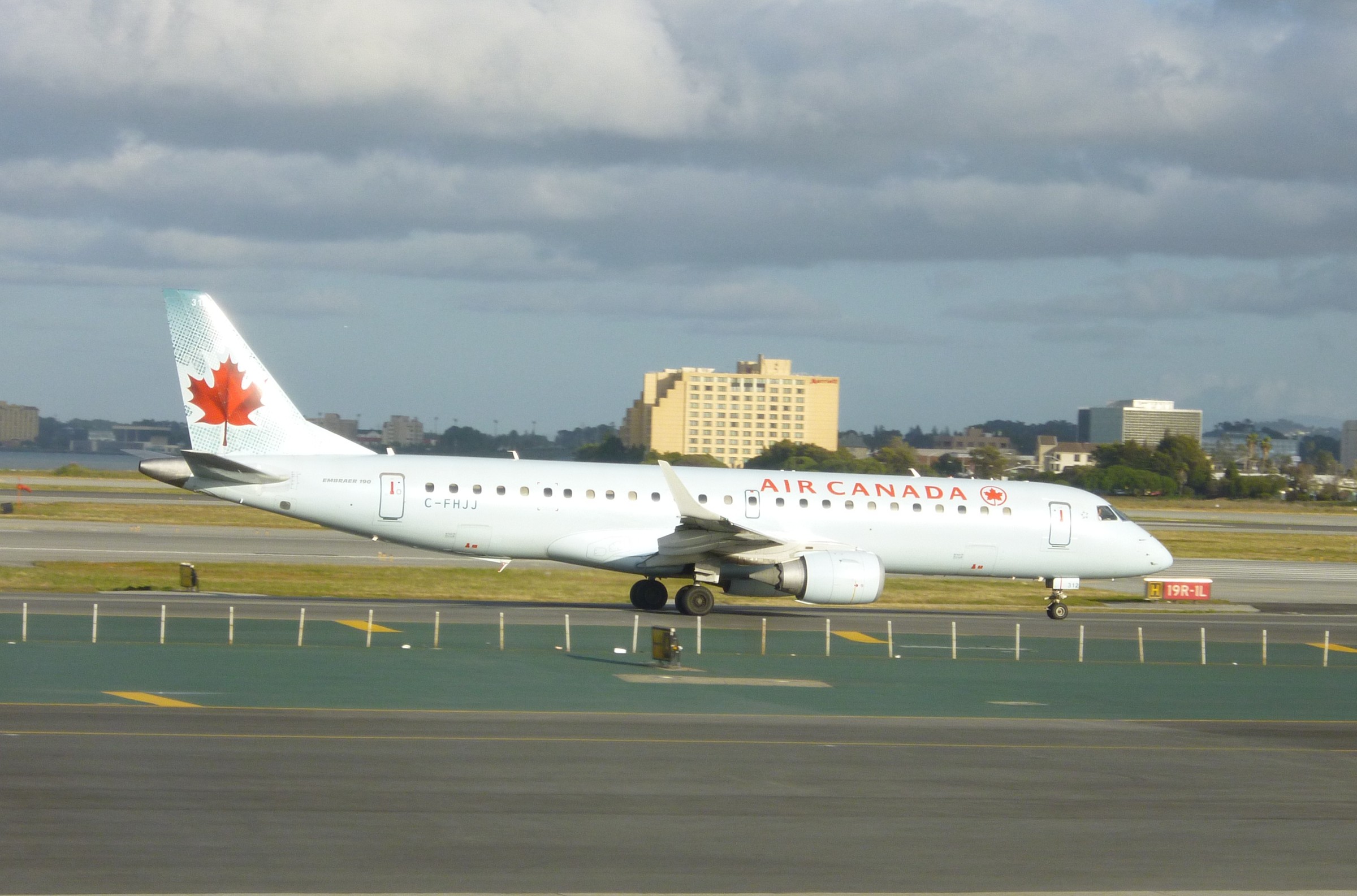
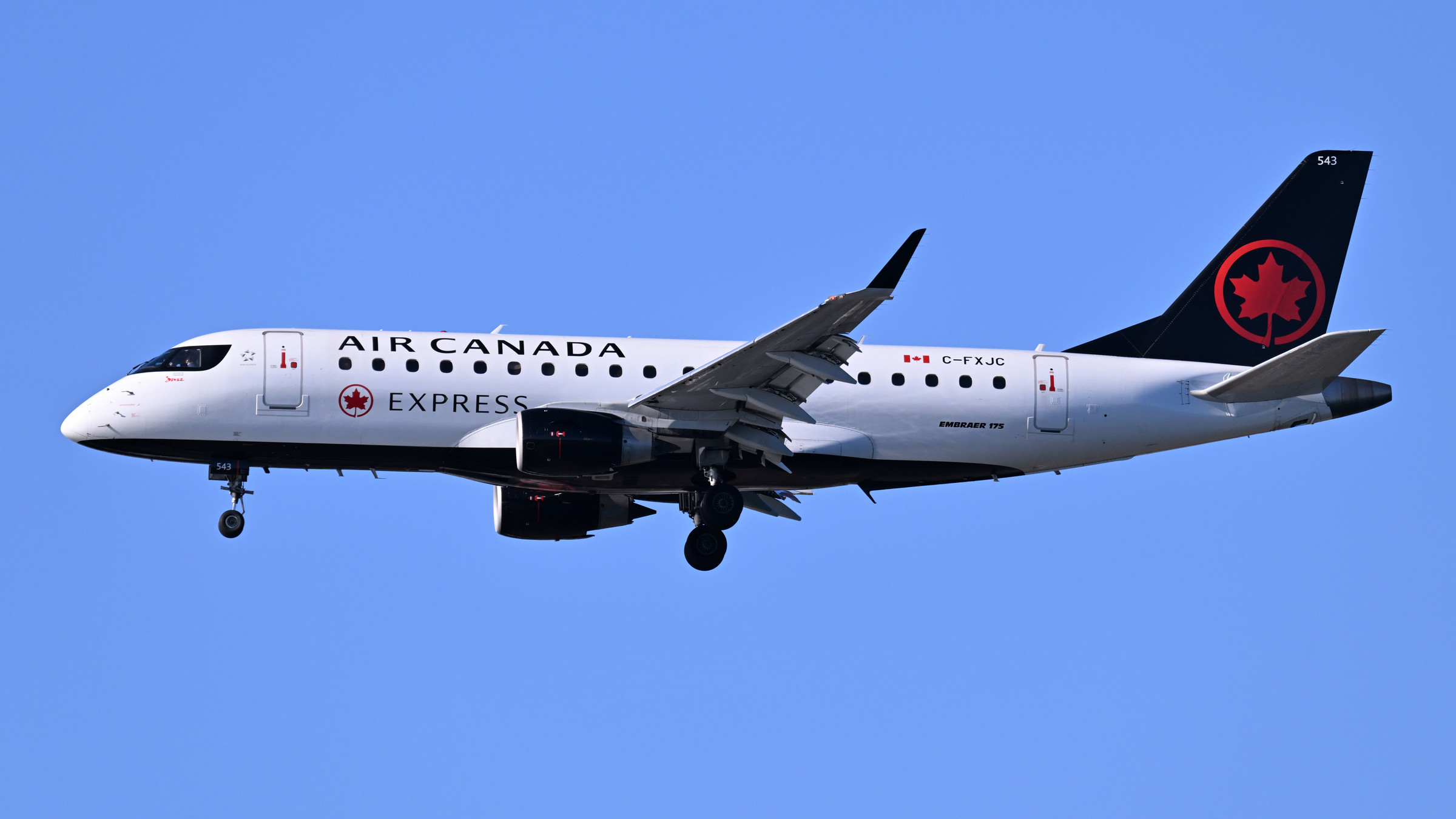
In September 2013, Air Canada completed the transfer of all fifteen E175s to Sky Regional, which operated them under the Air Canada Express name. Chief executive Calin Rovinescu tied the move to lower costs and regional-provider diversification. Sky Regional had begun introducing the aircraft in March on existing routes from Toronto and Montreal, including New York, Boston and Philadelphia. Air Canada kept the customer relationship while a different company flew the same jets under a capacity-purchase agreement.<sup class="citation"><a href="/sources/#source-87">87</a></sup> The arrangement changed again during the pandemic. In March 2021, Chorus announced an agreement to bring 25 E175s into its Jazz subsidiary’s Air Canada operation and remove nineteen Dash 8-300s. Chief executive Joe Randell described a fleet operating at a fraction of its previous capacity. The proposed consolidation would give Jazz exclusive Air Canada Express flying with aircraft of more than seventy seats through 2025, subject to an agreement with its pilots.88
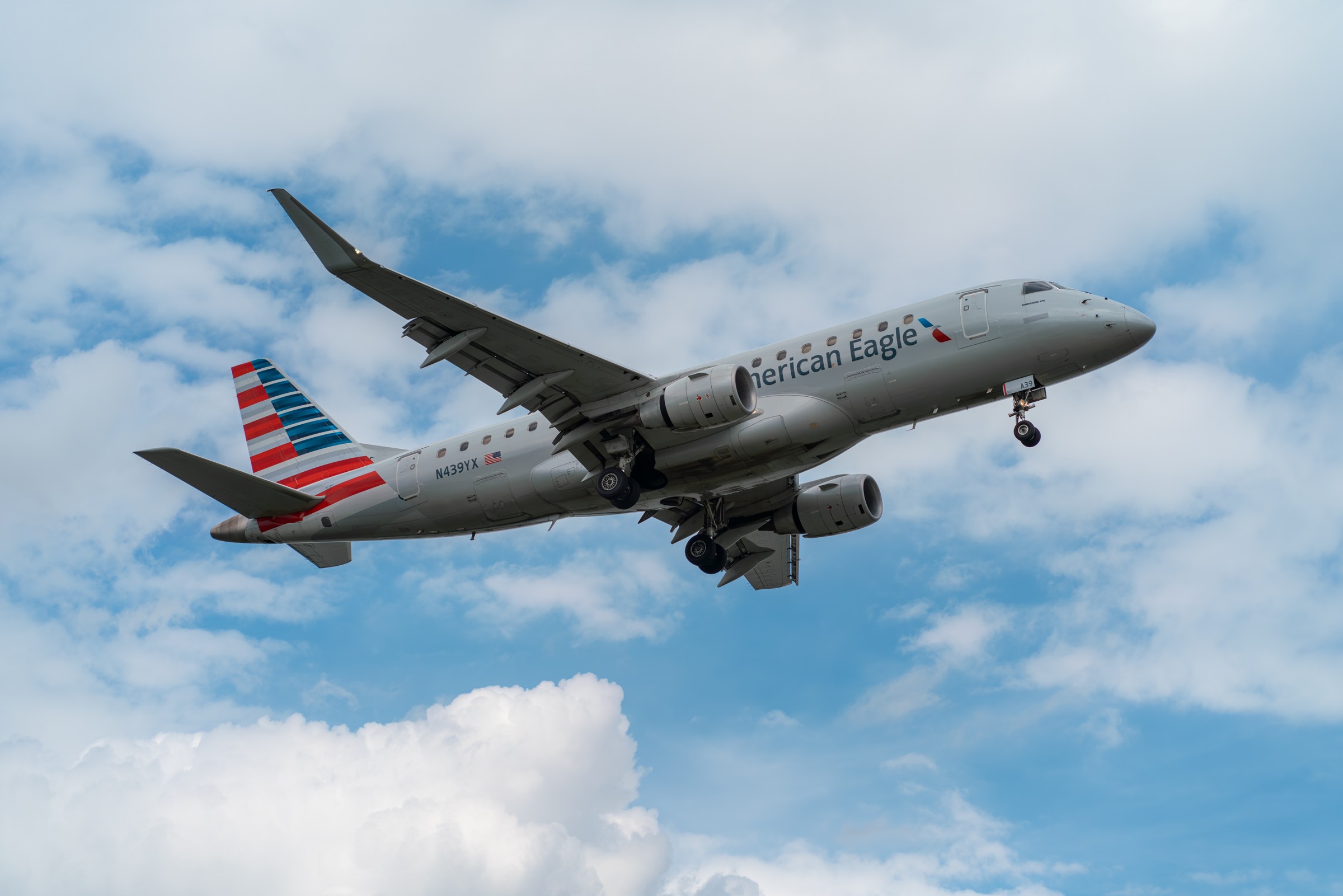
South of the border, a different arrangement would give the E175 a particularly durable market. A passenger could book with United, Delta, American or Alaska while the flight was operated by a separate regional company. Under SkyWest’s capacity-purchase agreements, the major partner controlled schedules, tickets, prices and seat inventories. SkyWest supplied the flying under negotiated payments tied to aircraft, departures and operating hours. The agreements generally placed fuel-price exposure with the major airline and shielded the regional operator from much of the variation in fares and load factors. They also limited its participation in the upside when ticket revenue improved. By 2025, approximately 84 per cent of SkyWest’s flying-agreement revenue came from this form of business. SkyWest earned its contracted payments while its major-airline partners sold the seats.89
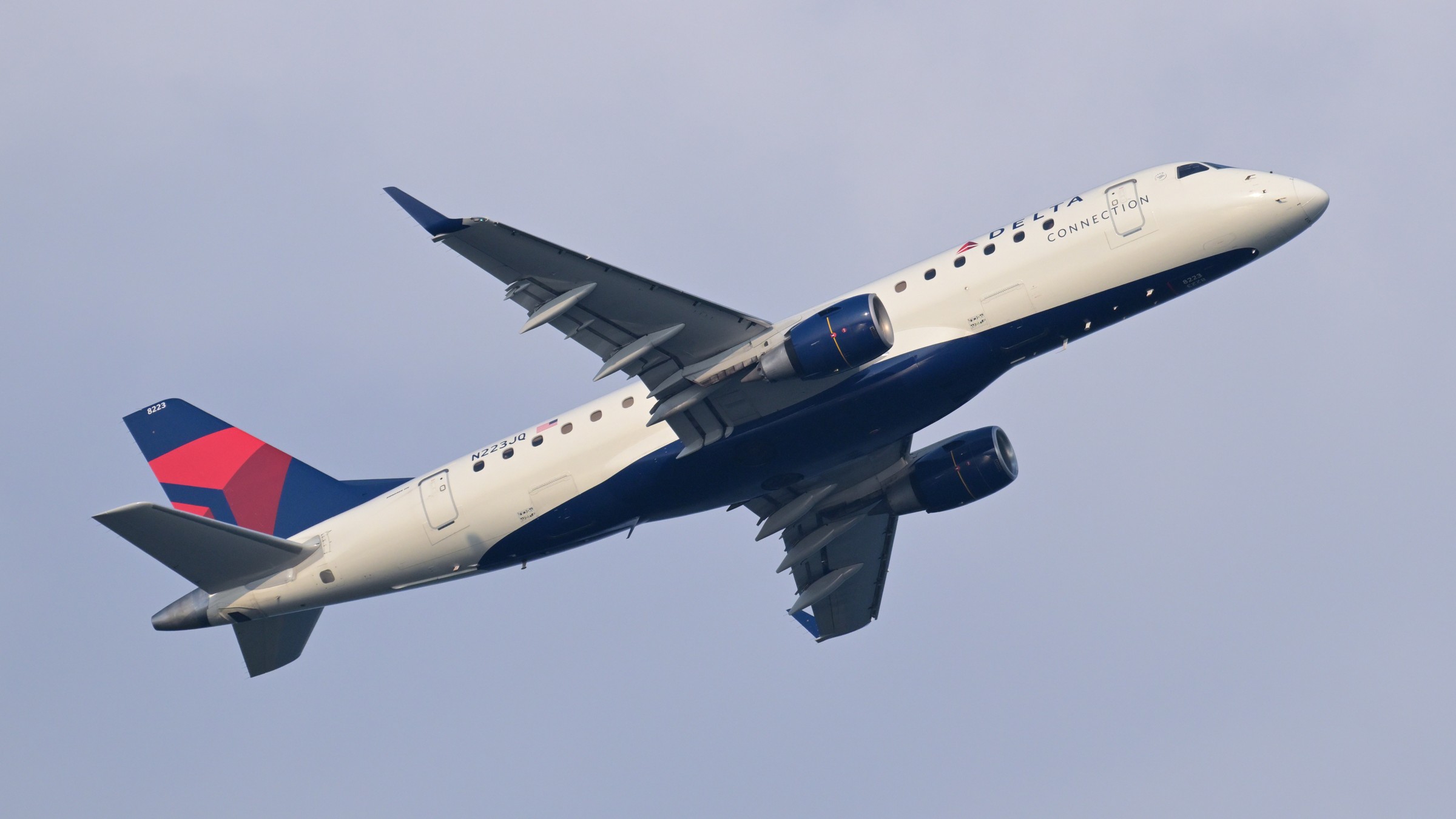
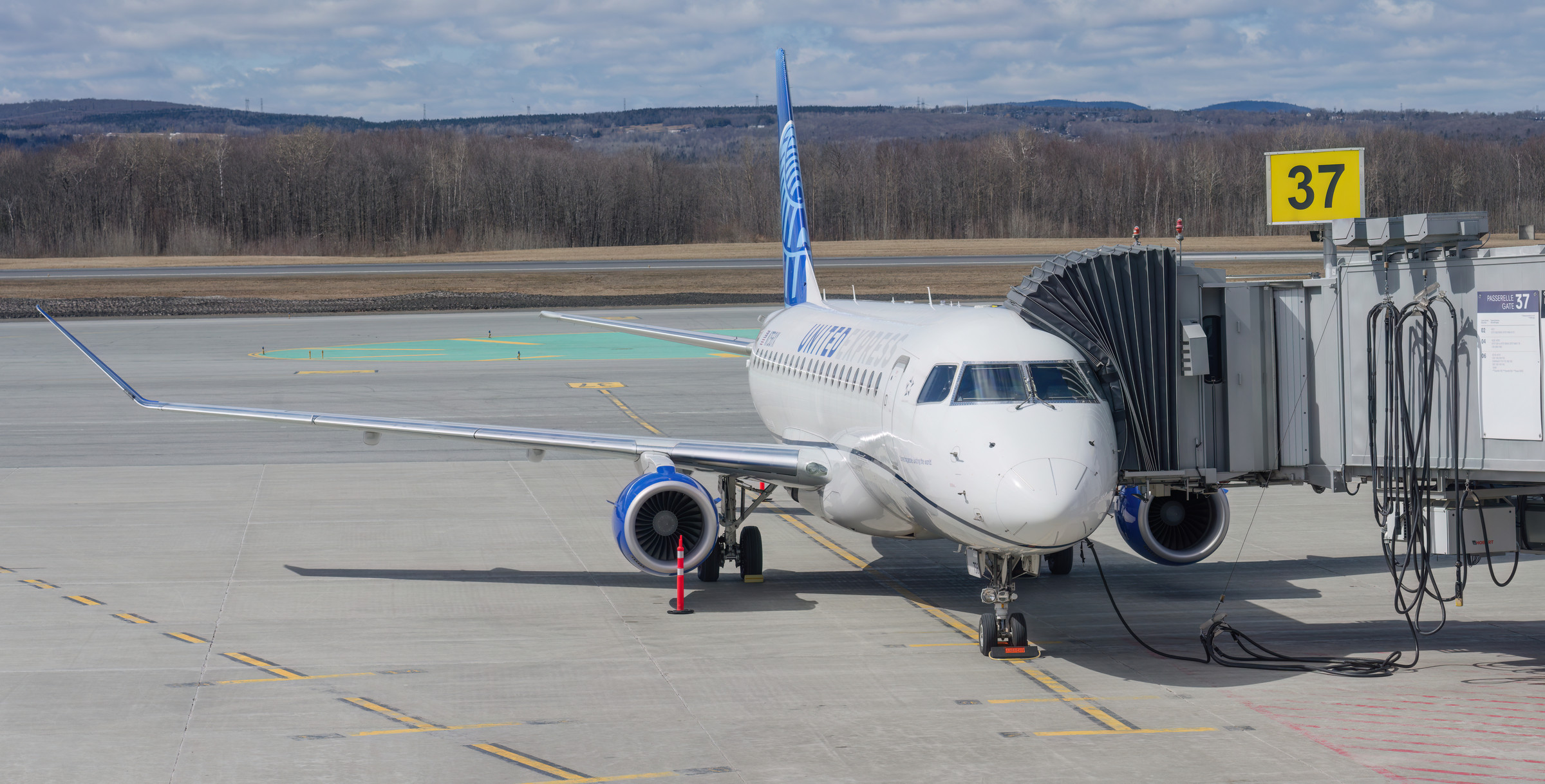
SkyWest’s decisive E175 commitment arrived on 21 May 2013. It negotiated access to as many as 100 aircraft and another 100 options, then secured a twelve-year United agreement covering the first 40. These aircraft would have 76 seats in two classes and fly as United Express. The remaining purchase commitments depended on obtaining further major-airline contracts. SkyWest described the order as a way to lock in competitive terms before responding to airline tenders. It also had to prepare for an unfamiliar type on its operating certificate: regulatory approvals, spare parts and crew training all demanded investment. First deliveries were planned for the opening quarter of 2014. The order created a chain of commitments between manufacturer, regional operator and mainline partner, with the flying contract turning reserved aircraft into a business.<sup class="citation"><a href="/sources/#source-90">90</a></sup> The number 76 had a contractual significance beyond cabin design. United’s published September 2023 pilot-agreement text defined a 76-seat regional aircraft as one configured for more than 70 and no more than 76 passengers, with a maximum US-certified take-off weight of 86,000 pounds. These scope provisions govern which flying can be assigned to regional partners. An airline cannot solve a weight restriction simply by removing seats from an otherwise heavier aircraft. For United Express procurement, those limits constrained the aircraft that a regional partner could offer, regardless of the fuel savings promised by a heavier successor.91
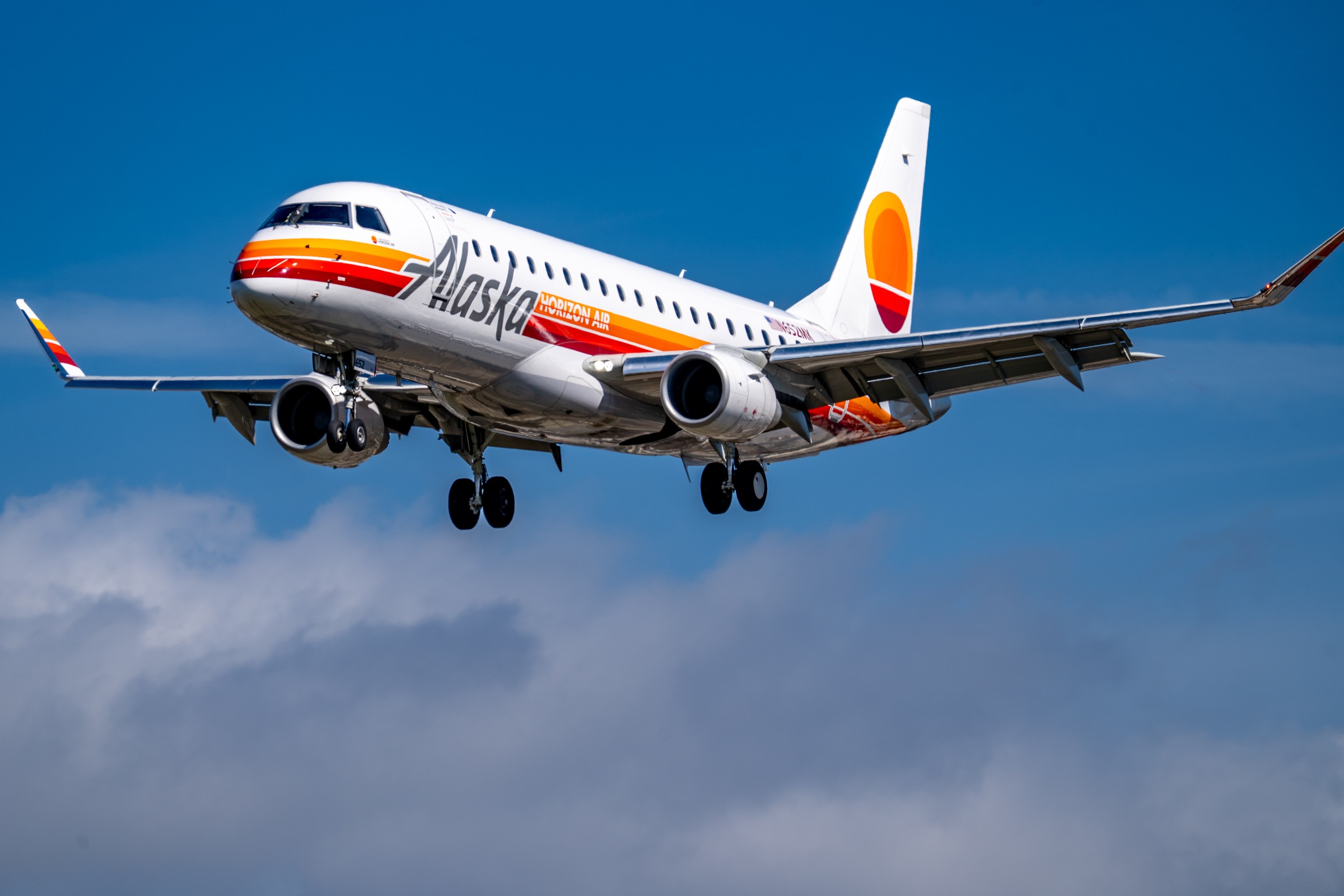
Horizon Air brought another version of the case into focus in April 2016. Its order for 30 E175s, plus 33 options, was the largest in the airline’s history. The jets were intended to fly for Alaska on routes extending beyond the comfortable commercial reach of its turboprops while carrying fewer passengers than a mainline aircraft. The announced 76-seat layout included 12 first-class seats, 12 premium seats and 52 in the main cabin. Horizon expected deliveries from 2017 and planned to return 15 leased Q400s in 2018. The proposition joined distance with service: smaller communities could receive a jet with premium seating, larger baggage bins and an onboard offering aligned with the Alaska brand.92
credit]
In June 2025, SkyWest was still ordering the original E175. Sixteen new aircraft were assigned to a multiyear Delta agreement, replacing eleven CRJ900s and five CRJ700s, with deliveries expected from 2027. SkyWest also secured positions for 44 more E175s between 2028 and 2032, conditional on obtaining flying agreements, and purchase rights for another 50. Chief executive Chip Childs tied the commitment to the company’s long-term fleet strategy and its two-class operation. The structure resembled the 2013 transaction: first establish a paying airline contract, then expand with additional opportunities.<sup class="citation"><a href="/sources/#source-93">93</a></sup> The E175-E2 had been expected to succeed this aircraft. Instead, in February 2025 Embraer announced another four-year pause in its development programme. SkyWest’s 2025 order meanwhile reserved delivery positions for the original E175 as far ahead as 2032.<sup class="citation"><a href="/sources/#source-94">94</a>, <a href="/sources/#source-93">93</a></sup> The original aircraft was also receiving new interiors. On 19 October 2026, Embraer announced delivery of the first E175 with RECARO R2 seats to American Airlines. The seat included a tablet holder and a six-way adjustable headrest, with a slim backrest intended to leave more space around passengers’ knees. RECARO said its certification preparation and ability to meet American’s introduction timetable had influenced the selection. American wanted a more consistent cabin experience across its fleet. The new seats would carry the airline’s own upholstery alongside its revised interior finishes.95, 96