A company running short of money
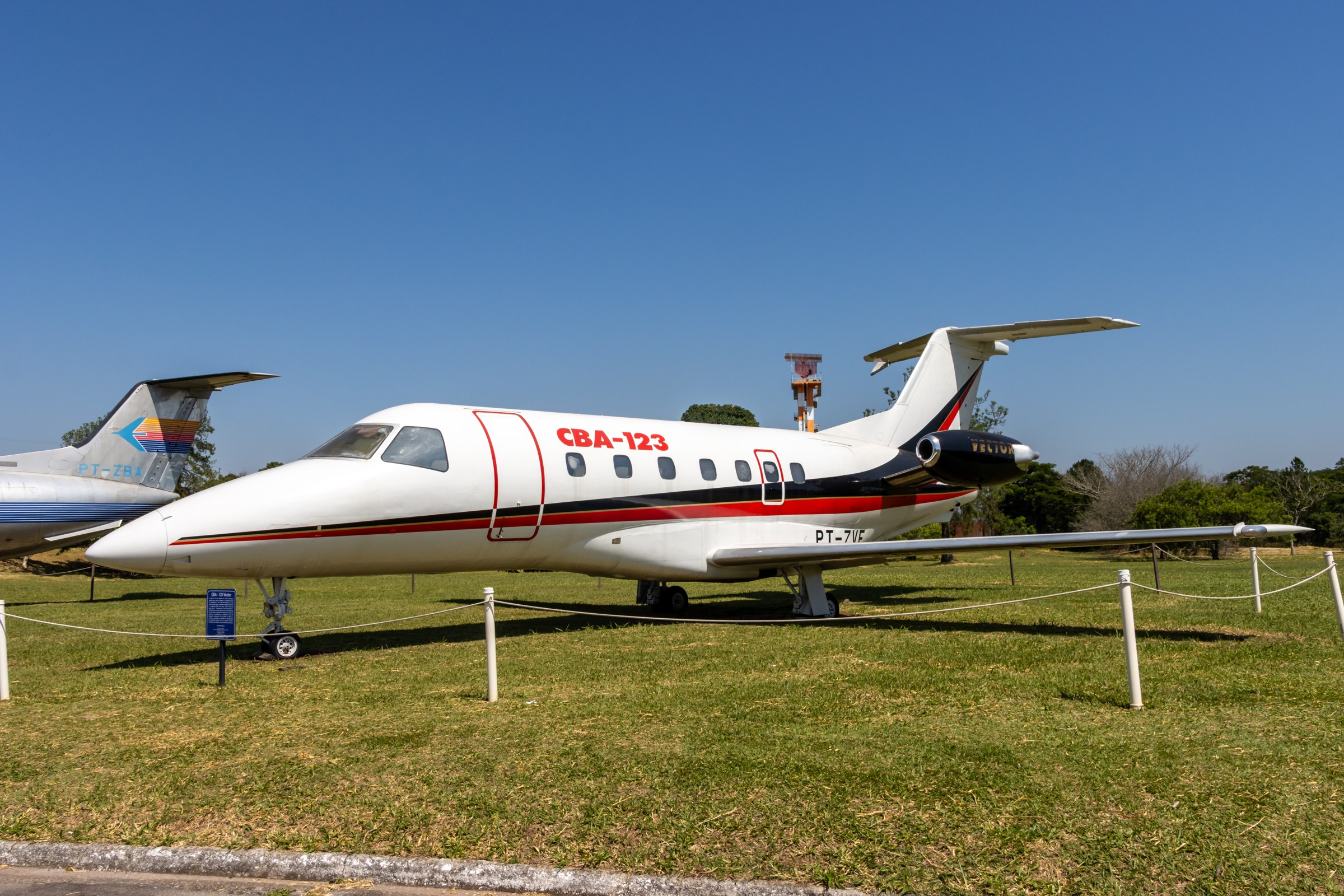
The Vector, privatisation and the ERJ The CBA 123 Vector was an ambitious answer to the nineteen-seat market. Developed with Argentina, it first flew in July 1990. Two prototypes were completed. The aircraft offered sophisticated engineering at a price that was difficult to reconcile with the small-aircraft market. Investment requirements were high, the economic environment had deteriorated, and airlines were moving toward larger aircraft. Work stopped in 1991. The programme closed without certification or a production fleet.
Embraer entered the 1990s carrying the cost of unfinished work and a financial structure that could no longer sustain it. The government prepared the company for privatisation. A decree of 24 June 1994 authorised a capital increase in which the federal government could subscribe up to US$230 million in new ordinary shares. The payment mechanism used government credits arising from assumed debts, including obligations associated with Canada’s Export Development Corporation and Embraer debentures. The balance sheet was being reorganised before the change of control.<sup class="citation"><a href="/sources/#source-14">14</a></sup> The privatisation took place on 7 December 1994. Private control did not arrive with a newly designed aircraft ready for immediate sale. The company still had to finish the regional jet on which much of its recovery would depend. BNDES’s historical account describes fresh capital from the controlling investors, additional bank finance, debt restructuring and a concentrated effort to complete the ERJ 145. It places approximately US$500 million of investor funding and US$126 million of BNDES finance within the recovery effort, with resources directed principally toward the jet programme between 1995 and 1998.<sup class="citation"><a href="/sources/#source-15">15</a>, <a href="/sources/#source-16">16</a></sup> The government retained a golden share after privatisation, allowing it to veto specified corporate changes and decisions concerning military programmes.17
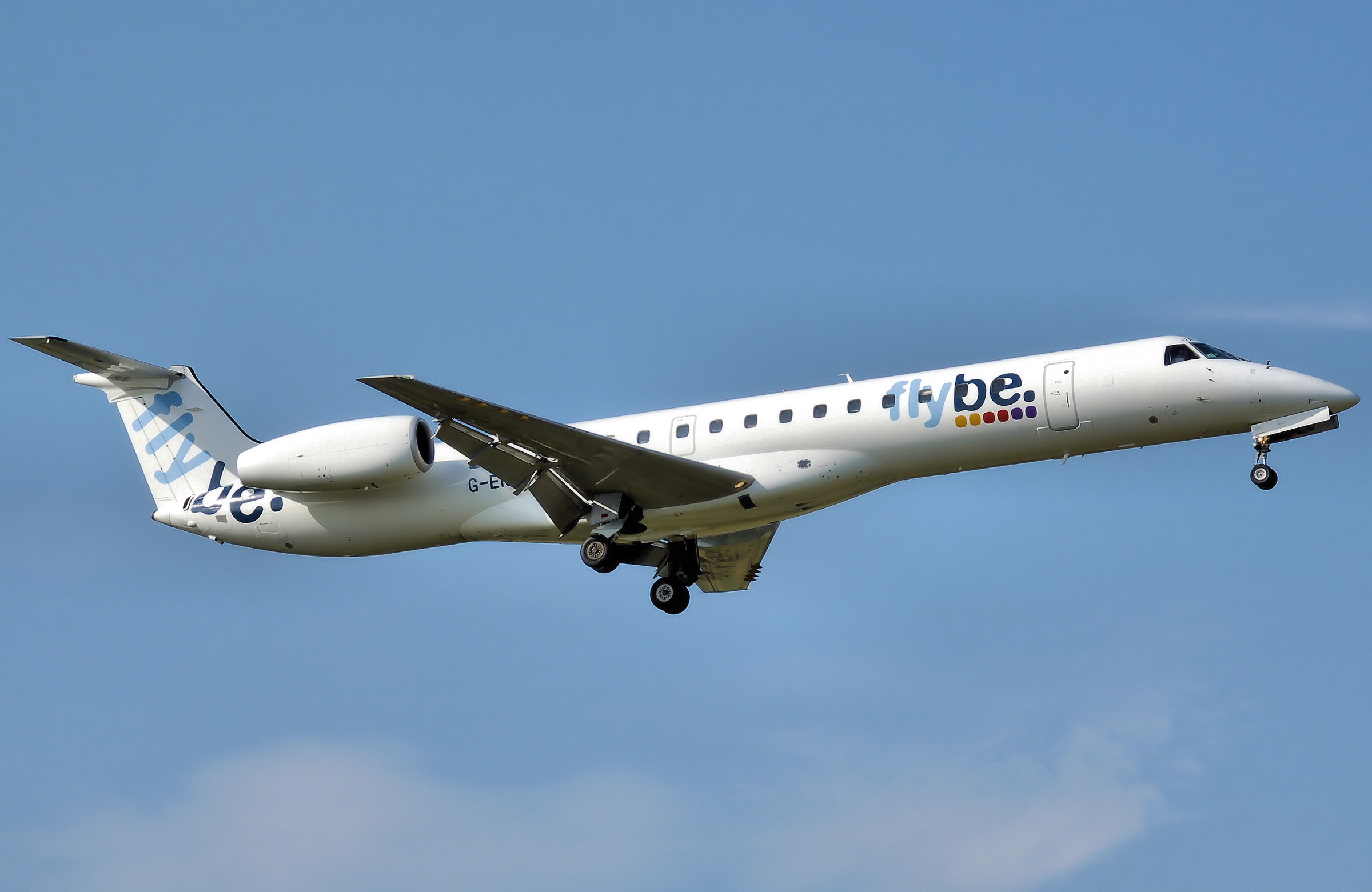
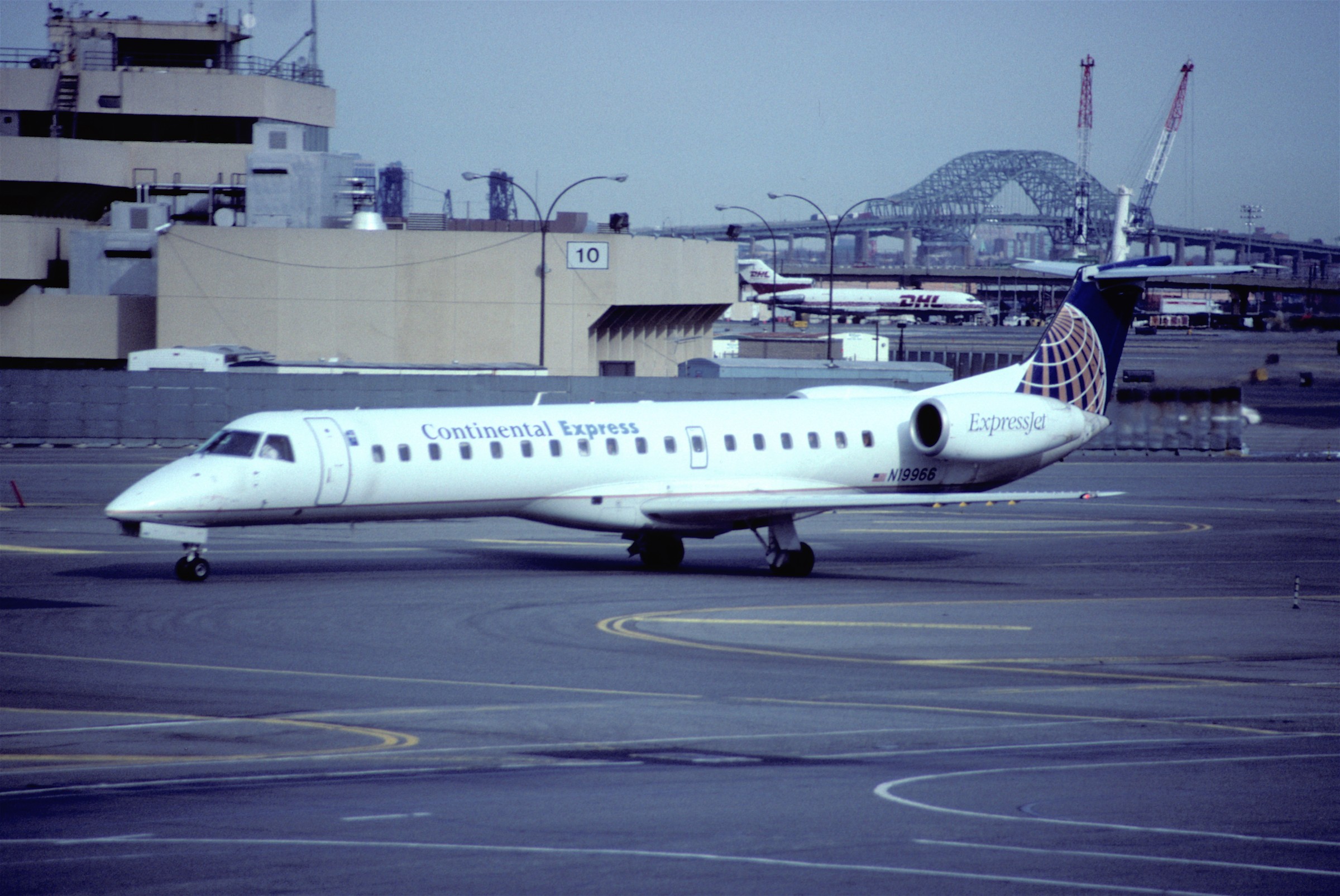
The ERJ 145 first flew on 11 August 1995. On 27 December 1996, Embraer delivered the first aircraft to Continental Express. Its fifty-seat cabin brought a different proposition from the Brasilia: jet service for passenger loads below those of the larger airliners connecting major cities. Smaller family members followed as the ERJ 135 and ERJ 140. Embraer had a product that could be offered in several capacities while retaining a substantial common operating base.3
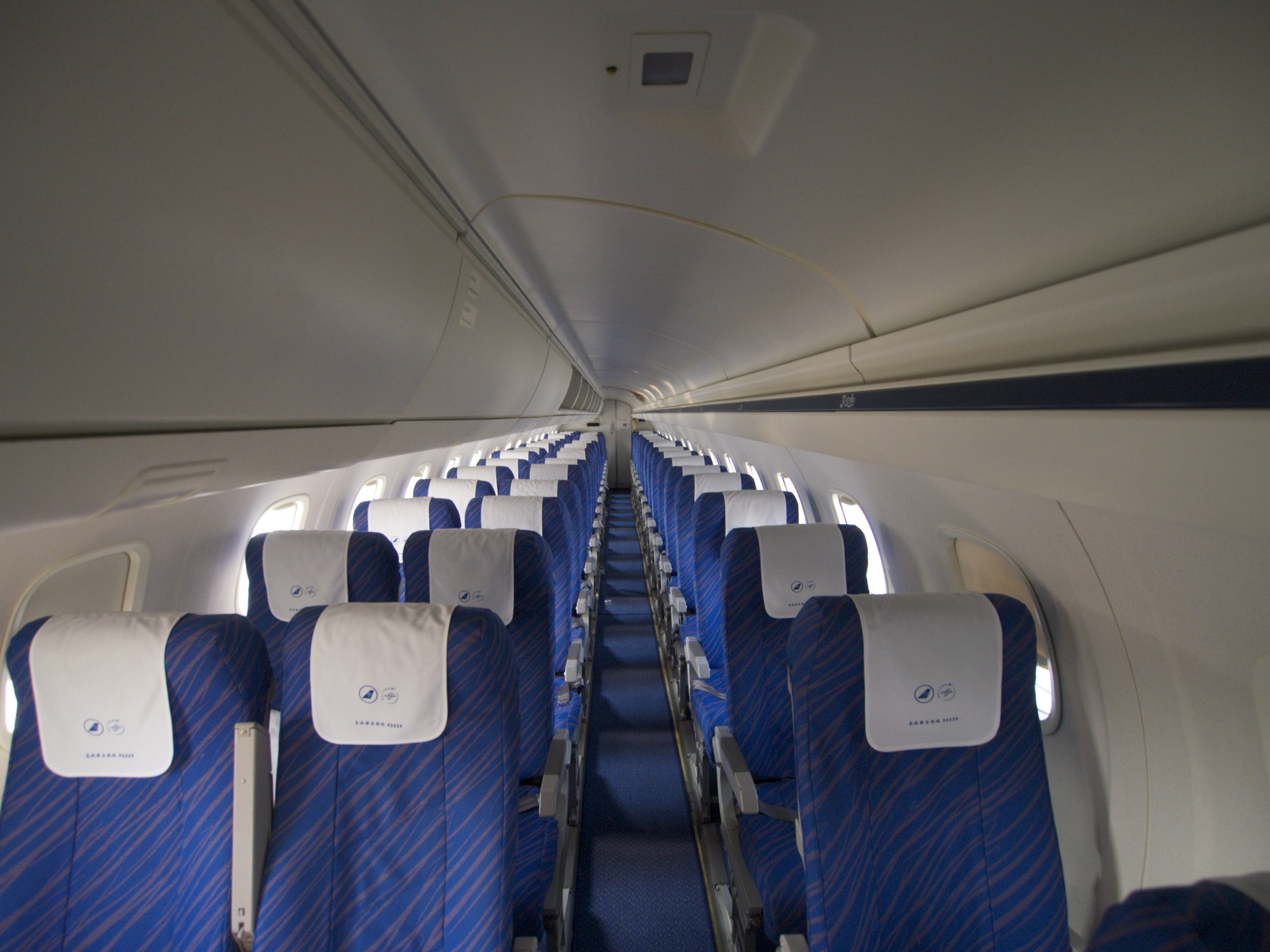
The cabin was narrow, with one seat on one side of the aisle and two on the other. Every passenger had a window or an aisle place. The family shared equipment and procedures that mattered to the airlines maintaining fleets of small jets: fewer separate stocks of parts, related maintenance tasks and familiar working arrangements for crews. Embraer’s published ERJ 145 LR example carried a full-passenger range of 1,550 nautical miles under its stated standard-atmosphere and no-wind assumptions. It could link markets that had enough passengers for a jet departure without requiring the capacity of a much larger aircraft.18, 19
Selling the aircraft also meant arranging the money with which airlines would buy it. Commercial lenders, capital markets and export-credit agencies each had a role. An export agency could lend directly or guarantee finance provided by another institution. The manufacturer obtained a customer; the airline obtained an aircraft and a repayment schedule extending well beyond delivery. BNDES’s account places export finance from 1997 among the factors supporting the ERJ’s expansion.<sup class="citation"><a href="/sources/#source-20">20</a>, <a href="/sources/#source-16">16</a></sup> As Embraer and Bombardier competed for regional-aircraft orders, financing became the subject of a dispute between their governments. Canada requested consultations at the World Trade Organization in June 1996 over Brazil’s PROEX export-financing support. The case, DS46, led to findings against the challenged Brazilian measures and then to successive proceedings over revised arrangements. The later assessment of PROEX III dealt with a changed programme. The original ruling did not settle every subsequent version of Brazilian support.<sup class="citation"><a href="/sources/#source-21">21</a></sup> Brazil opened its own case against Canadian assistance in March 1997. DS70 examined measures that included Technology Partnerships Canada and Canada Account support. Some parts of Brazil’s complaint succeeded and others did not; the compliance proceedings again distinguished between specific programmes. The aircraft were competing in airline tenders while the governments argued over the terms on which those purchases could be financed.<sup class="citation"><a href="/sources/#source-22">22</a></sup> The ERJ brought Embraer back into airline fleet competitions. By 1999, the company was ready to offer its customers a larger cabin.